Learn to make it.
Model guides, prompt libraries and production workflows for creative teams making short drama, trailers and narrative video.
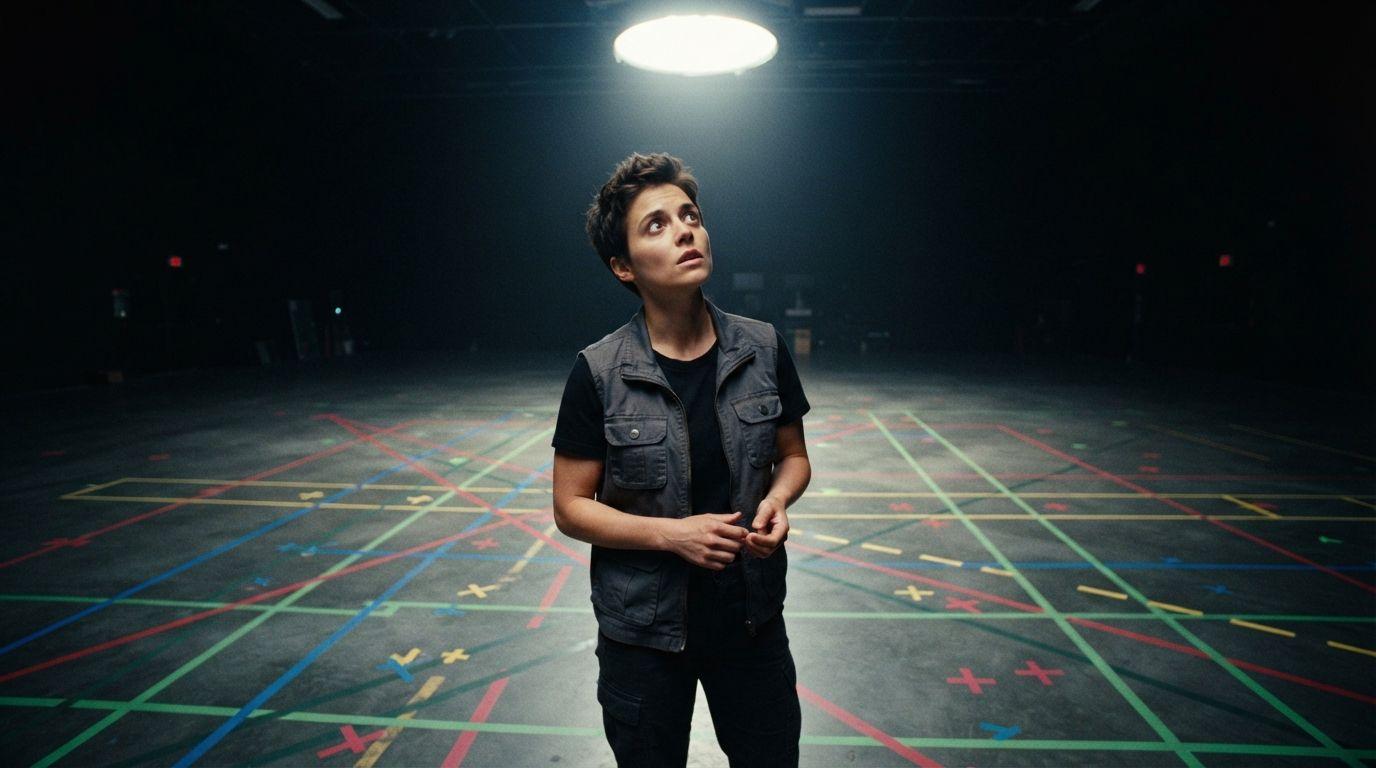
Fifteen things the platform doesn't do, each taken from its own terms rather than from a review. Read it before you sign up, not after.
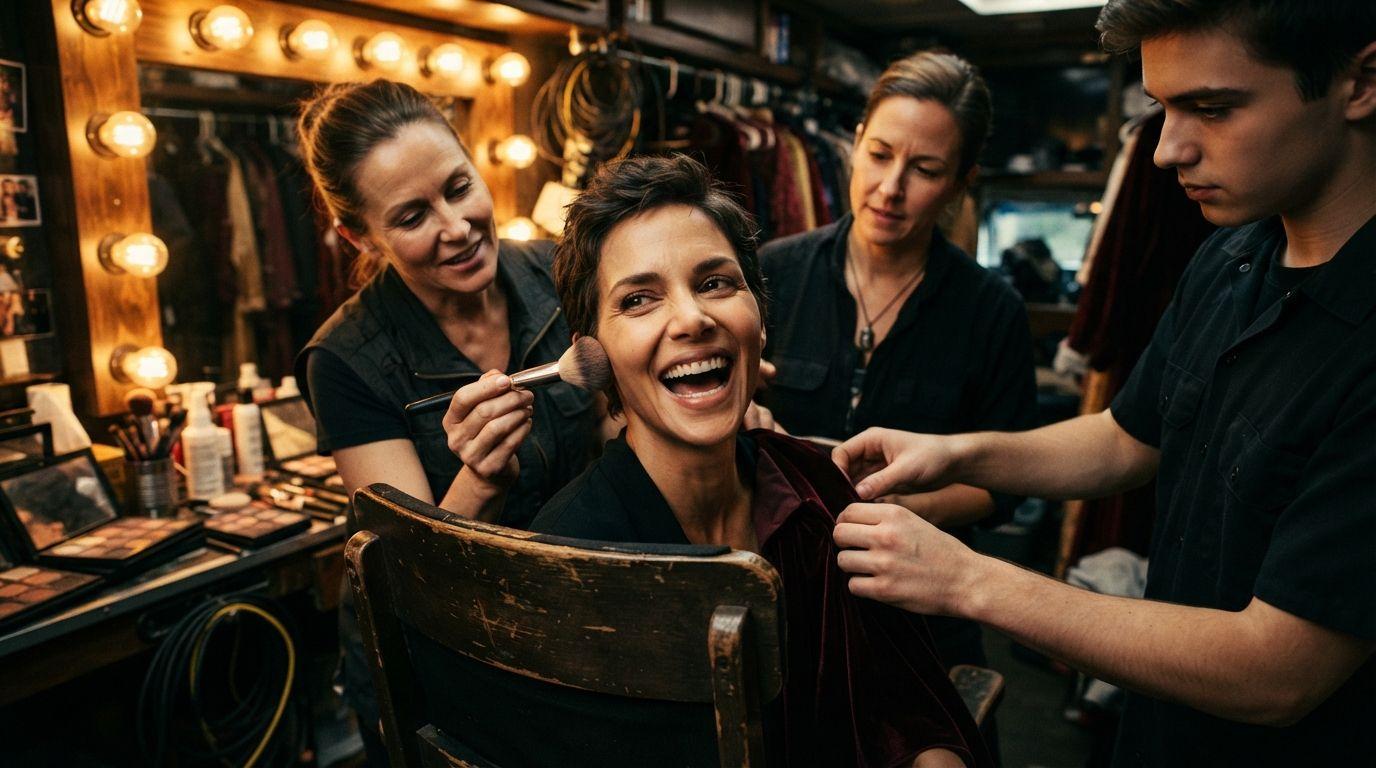
Four things change, and only one of them is the paperwork. The other three change how you plan a series.
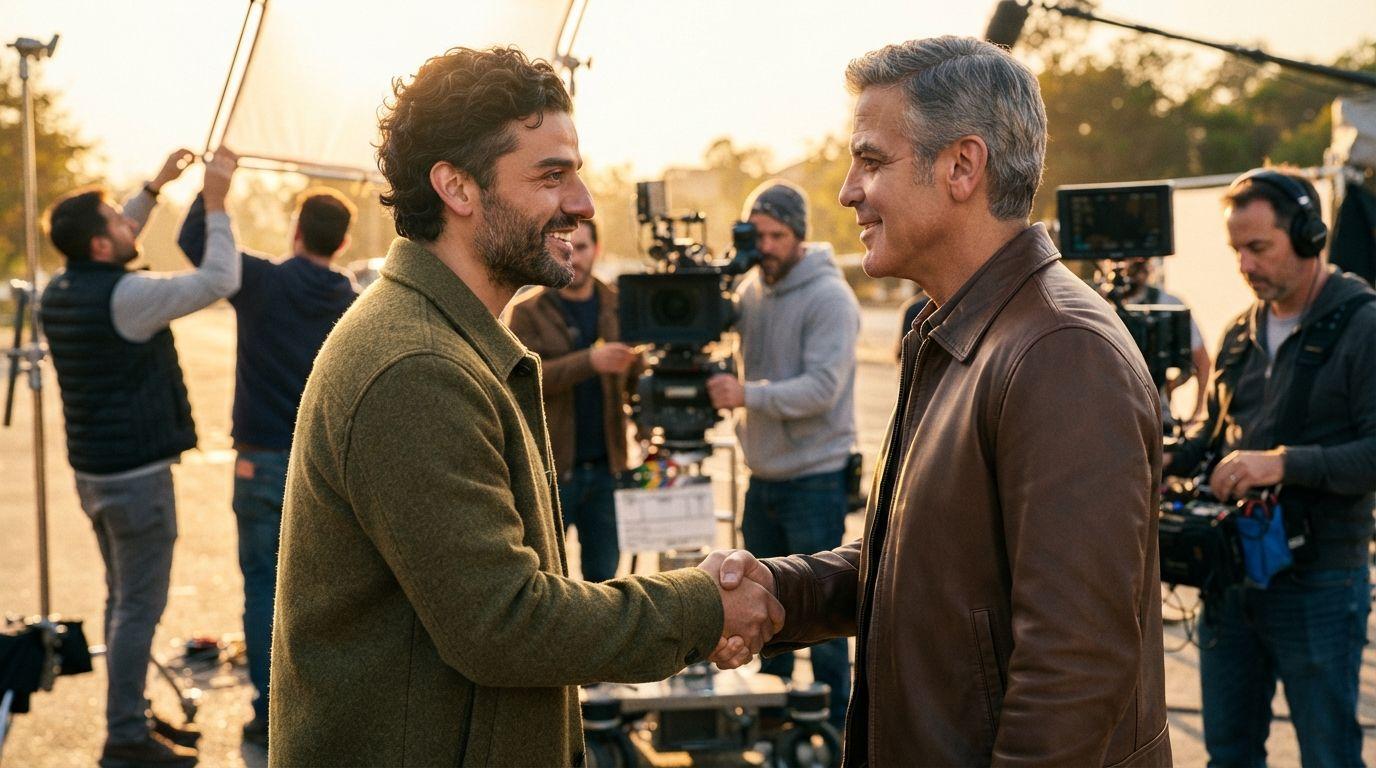
Performers earn per render, not per project. That single structural choice changes what a re-roll costs and what a series costs.
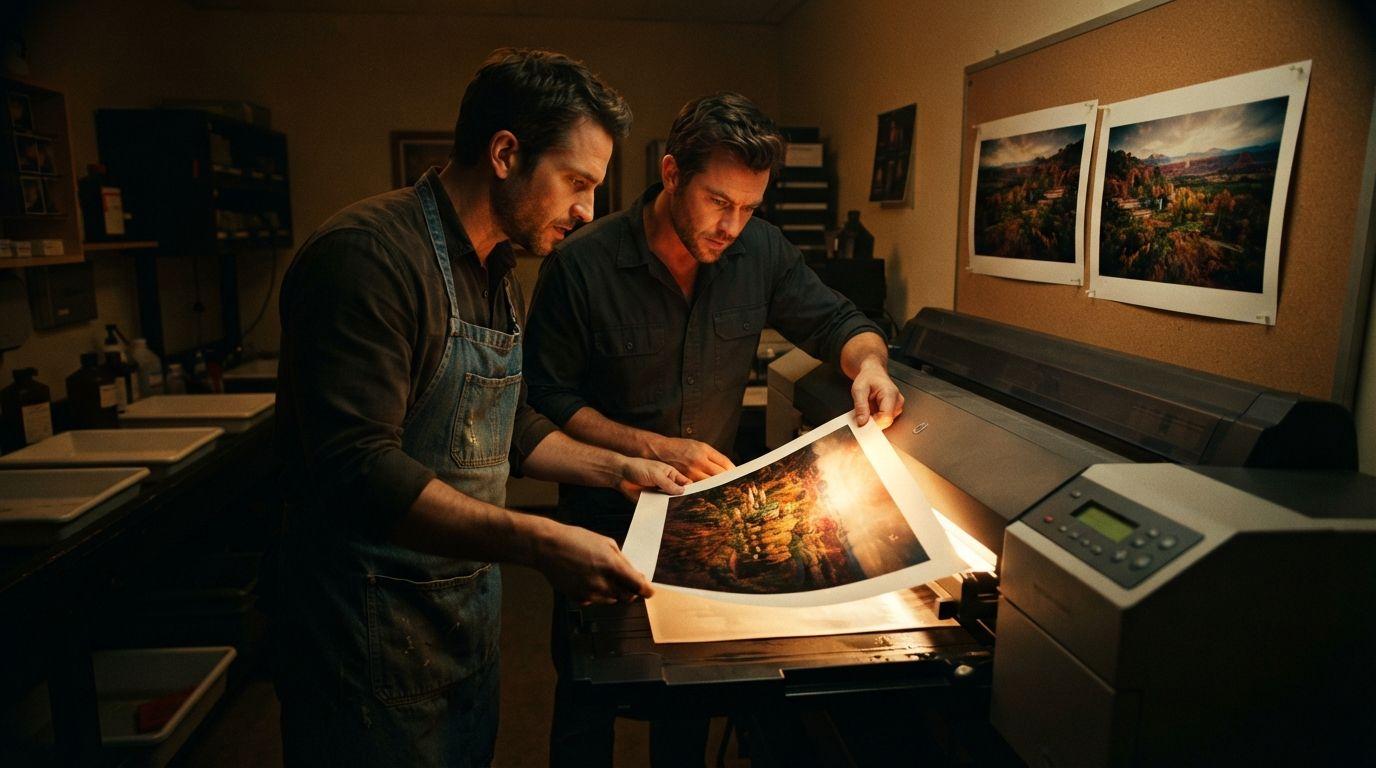
Same sixteen references, and that's where the similarity ends. One batches ten at a time — and it isn't the one whose description says so.
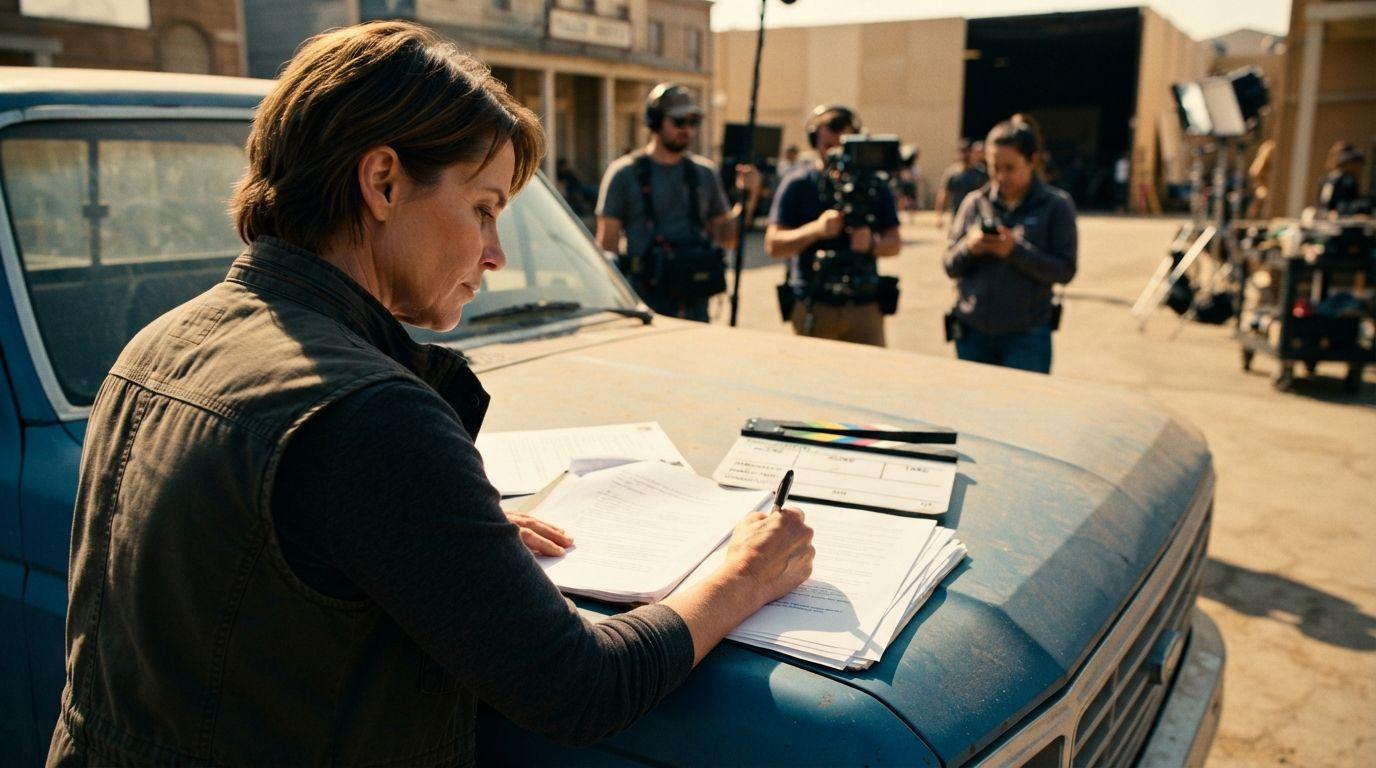
Every model comparison ranks output quality. None of them rank the risk that a studio's lawyer turns up.
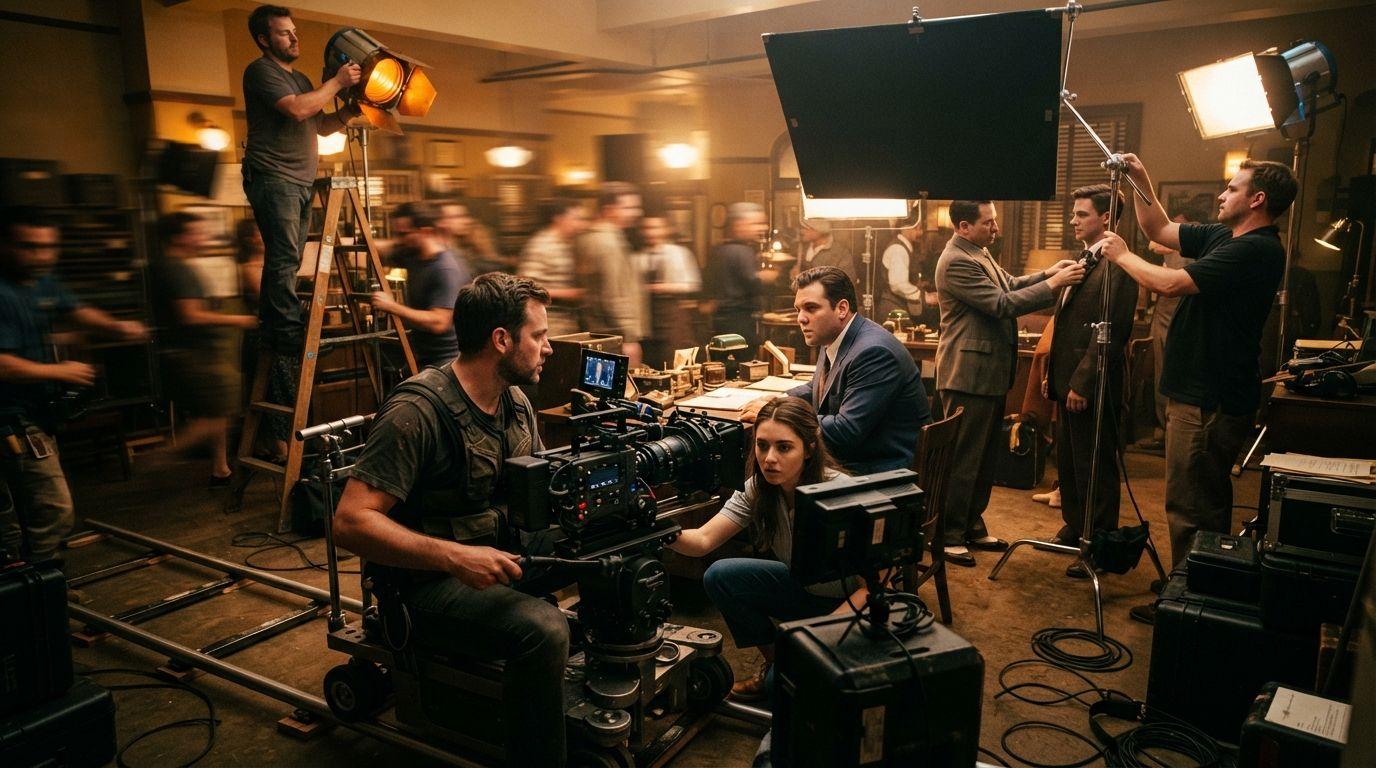
Six stages, four tools, and two handoffs where things actually go wrong. The sequence matters more than the tools.
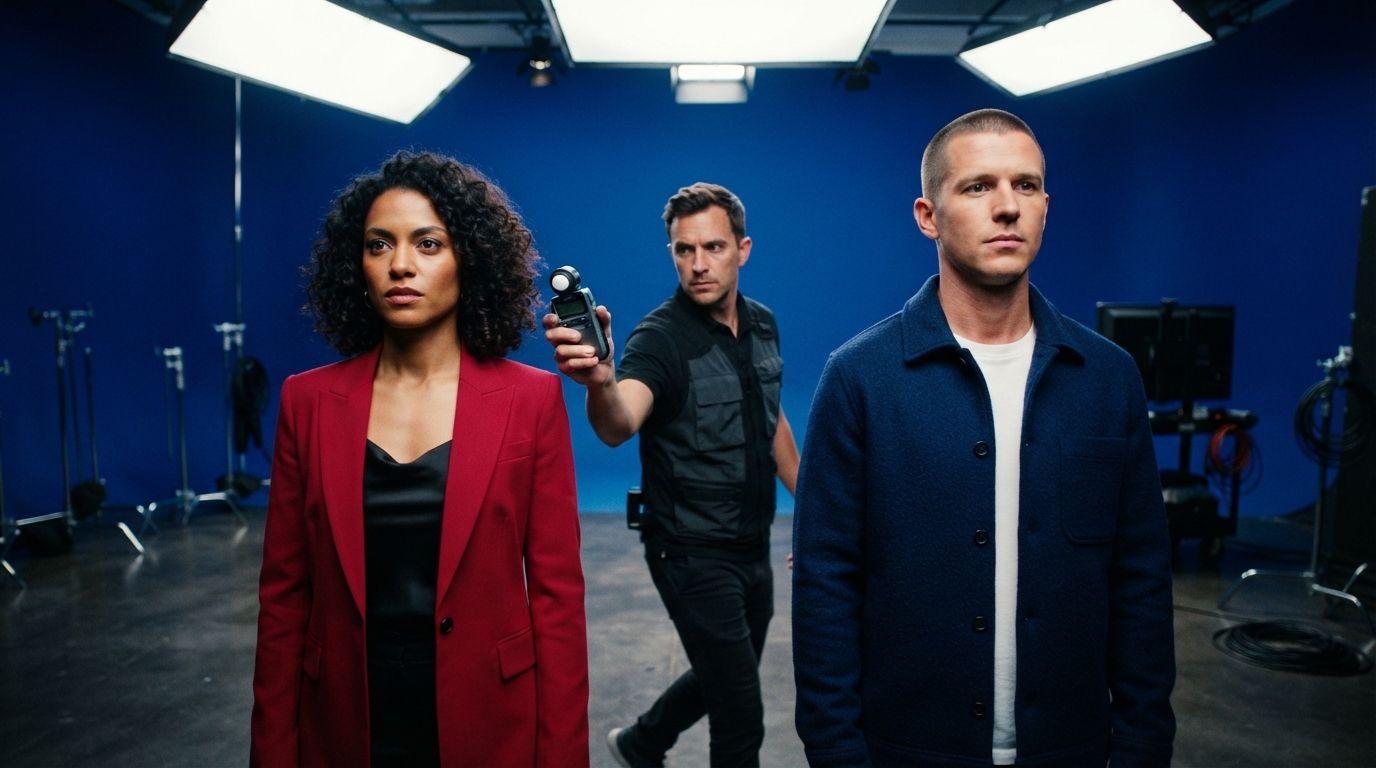
One is free of likeness obligations and free of a plan requirement. The other survives a legal review. Which you need depends on who approves the work.

Every card carries three signals before you cast. Reading them is faster than generating three tests.
Three things behave differently: your rights, your credits and your files. Only one of them is fully settled in the documents.
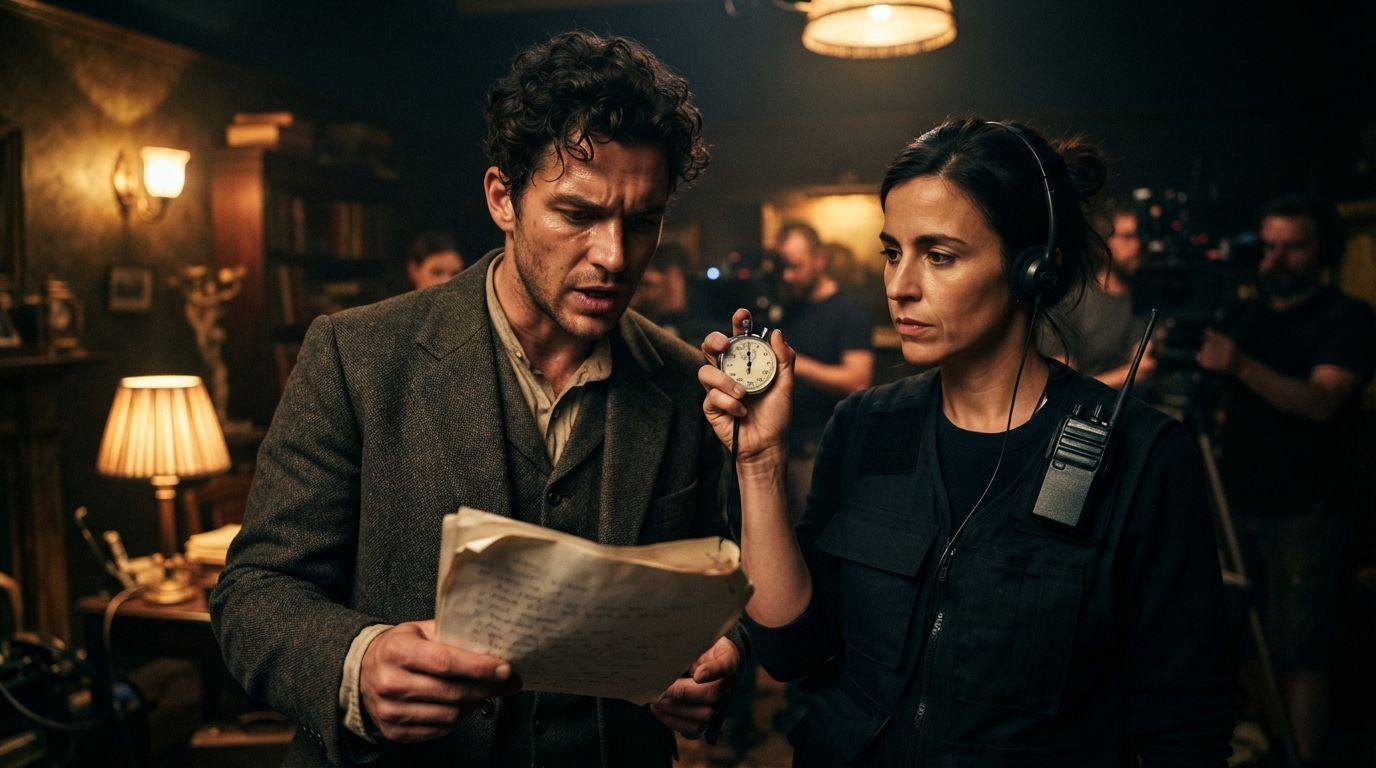
There's no duration setting. The script is the runtime control, and the ceiling is sixty seconds.

YouTube split its inauthentic content policy into three named categories in July 2026, and its own trust and safety lead says the policy didn't change.
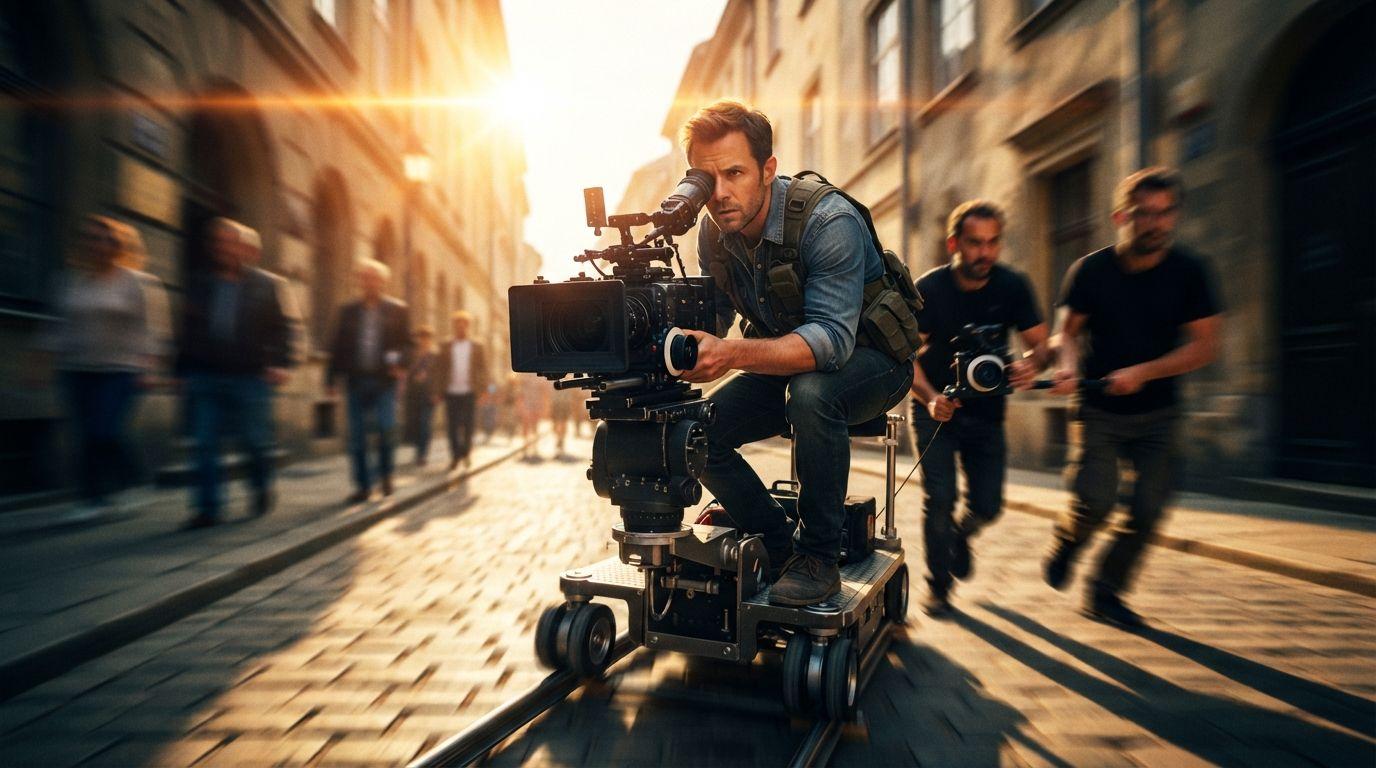
One pipeline, two mandatory inputs, and a prompt field that must not describe motion. It's the only mode where writing more makes the output worse.
Everything to learn about content creation, in your inbox.
A weekly digest of new posts. No spam, unsubscribe anytime.
We’ll only use this for the blog digest. Privacy policy