Learn to make it.
Model guides, prompt libraries and production workflows for creative teams making short drama, trailers and narrative video.
Two different quality systems, reference ceilings from sixteen down to one, and only three models that batch at all.
Nothing notifies you. The picker is the only current source, and four settings are worth checking before any delivery you've promised.

From fifty down to none, and the type matters more than the number. One model won't take an image at all.

Forty terms you'll meet making AI video, each defined from the source that actually defines it.

Comparison posts quoting Veo 4 specifications are describing a model that doesn't exist. Here's what Google's own documentation says.
All eighteen generate audio. Only six let you switch it off, and that's the setting that decides your workflow.
Three naming conventions, and none of them tells you what changes. One Fast tier gives up nothing, and two models are identical.

Whether it applies to you turns on a scope test most coverage skips — and fiction gets a lighter obligation than you'd expect.
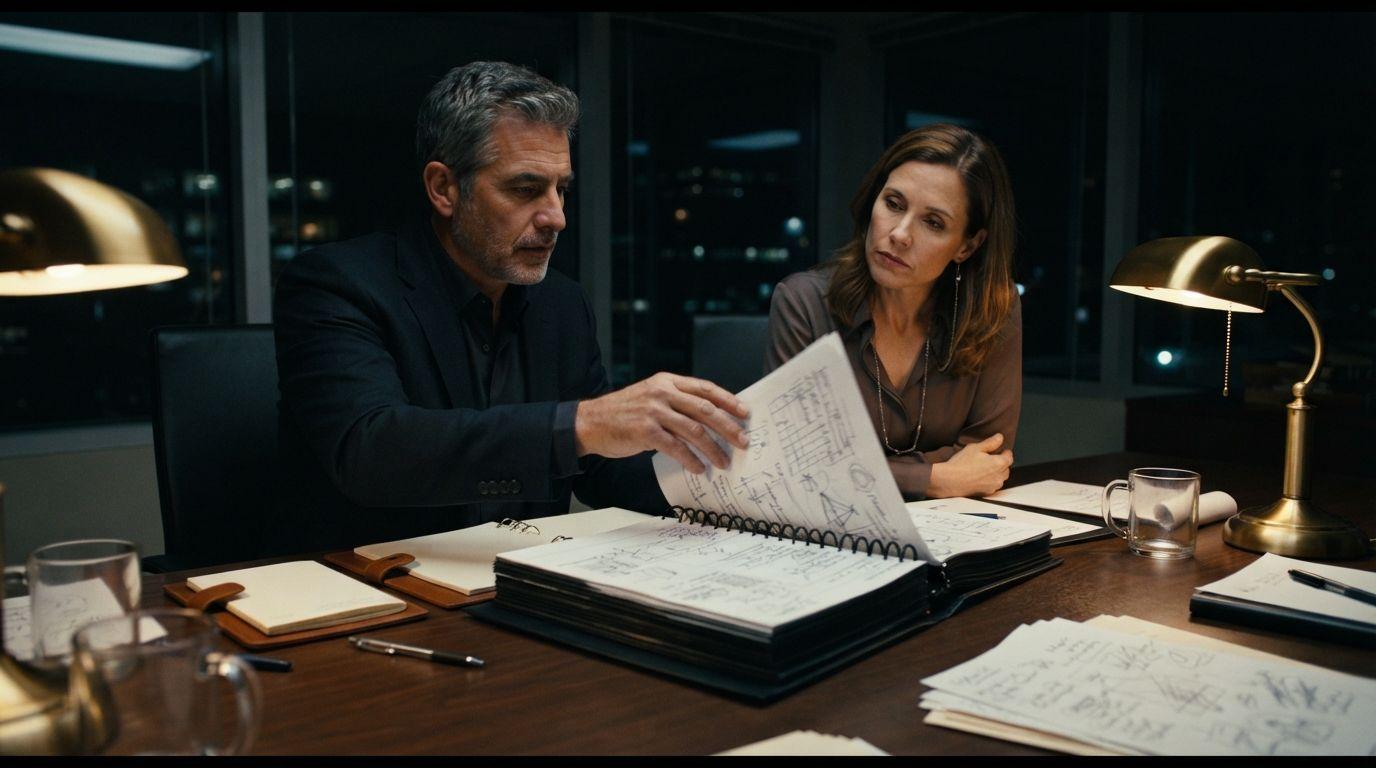
A series bible is usually a creative document. Add four sections and it answers the questions a rights reviewer asks first.
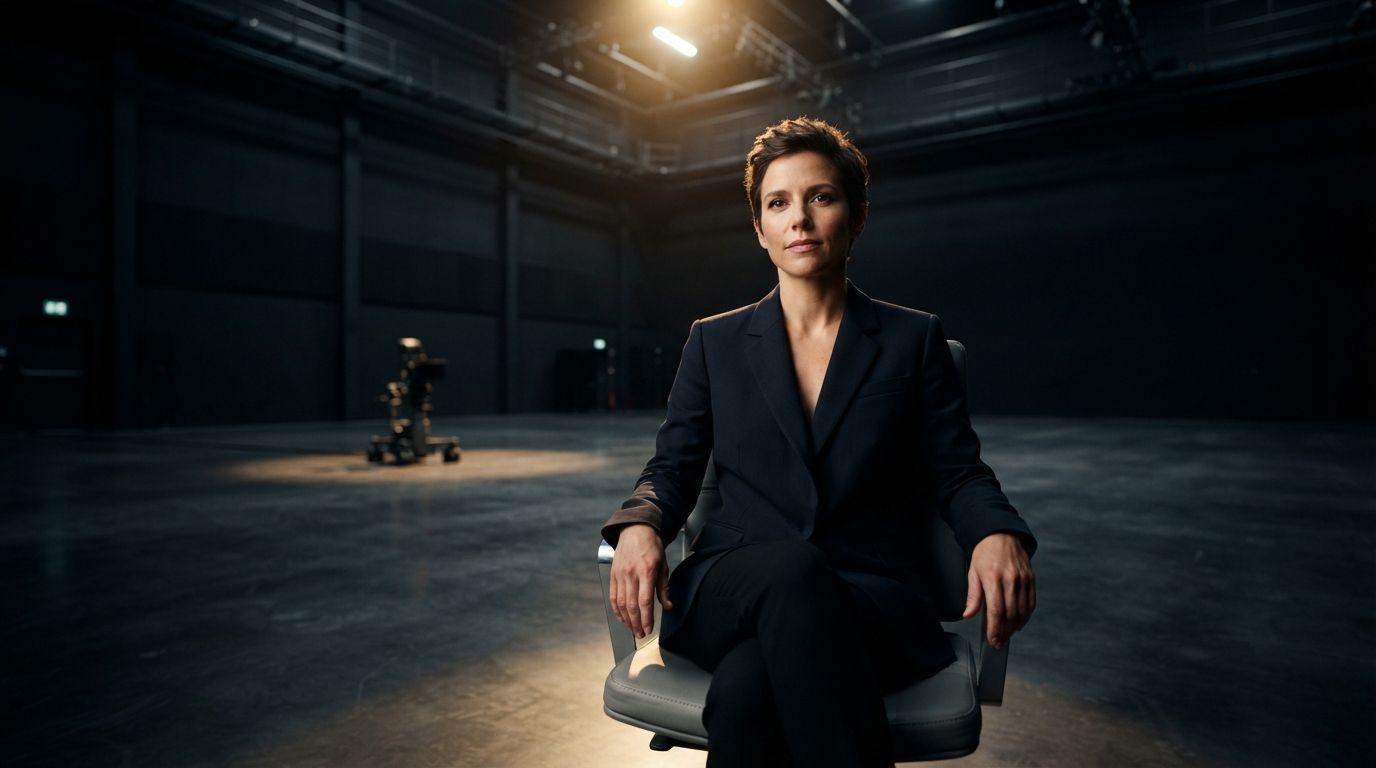
A talking head is the easiest AI video to make, which is why it gets used for things it can't carry.
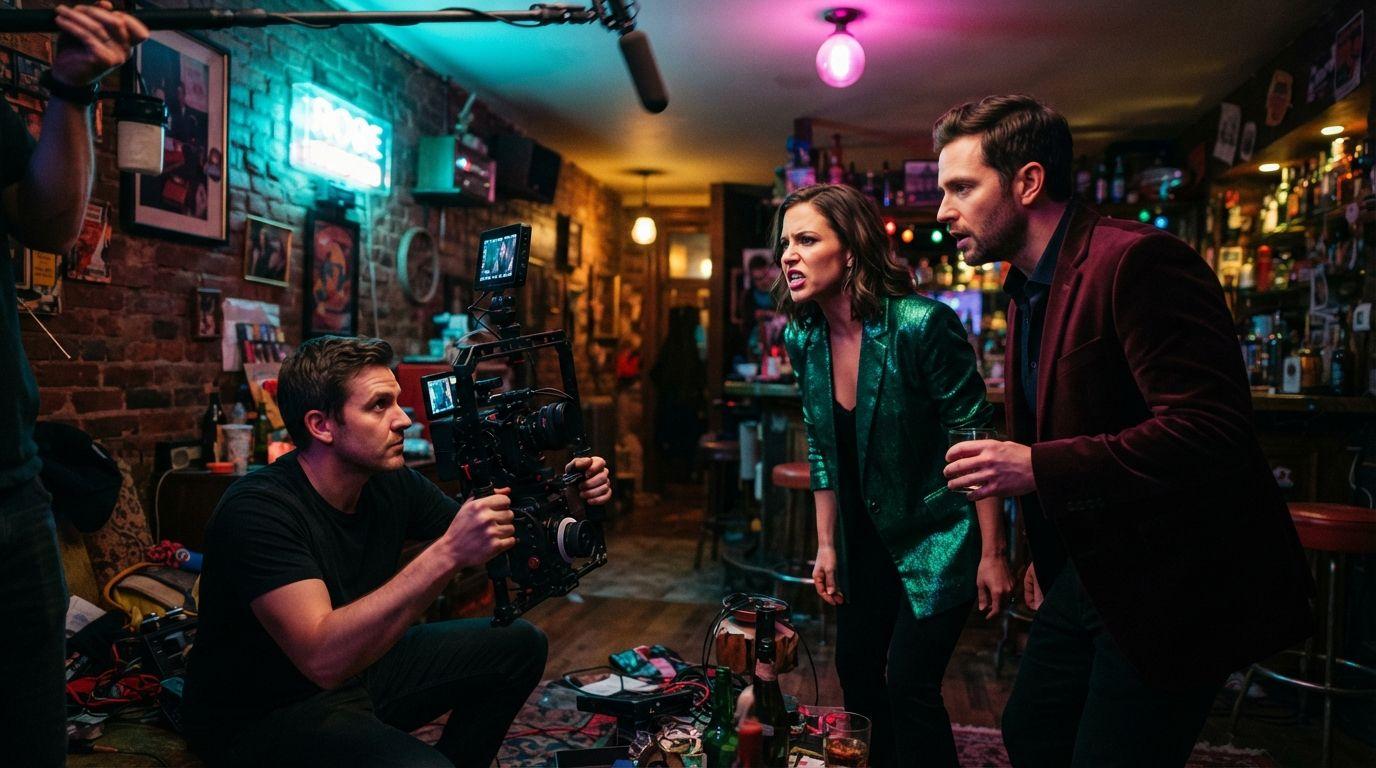
YouTube's own description of what it demonetizes is, read backwards, a specification for short drama.
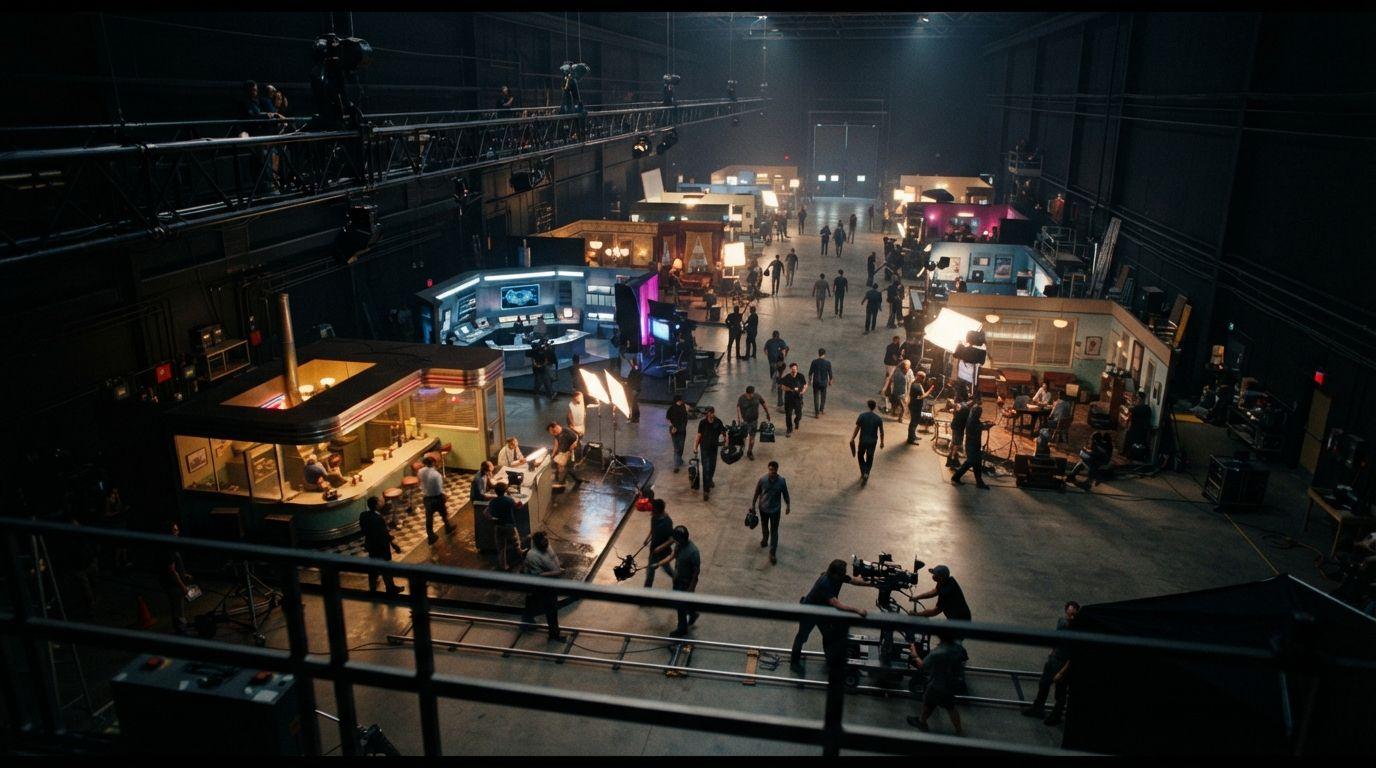
The composer resolves your blanks against your prompt, not against your last episode. That single fact decides how you have to work.
Everything to learn about content creation, in your inbox.
A weekly digest of new posts. No spam, unsubscribe anytime.
We’ll only use this for the blog digest. Privacy policy