Learn to make it.
Model guides, prompt libraries and production workflows for creative teams making short drama, trailers and narrative video.
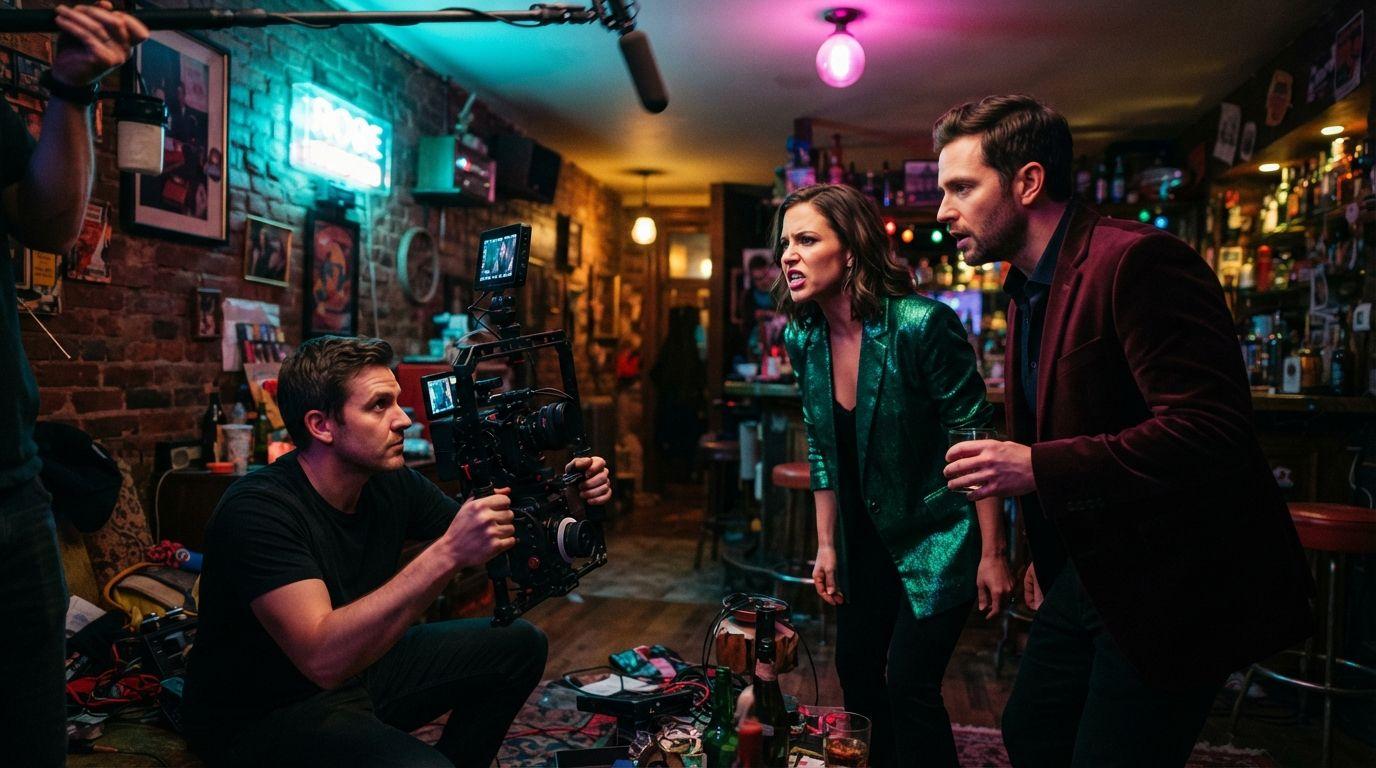

Five exclusions, appended unchanged to every shot. The discipline isn't choosing them well — it's not improving them on shot four.
The same sentence that works in Create will produce jitter in Motion and a wrong edit in Edit. Each field expects a different kind of writing.

The API sunsets on 24 September and account data goes with it. Files you've already exported are safe. Everything else isn't.
An adjective in a prompt colours the whole clip. An inline trigger lands on one syllable. For a sixty-second cap, that difference buys back seconds.
Tilly Norwood sat for interviews on network television and was asked whether AI actors should be Oscar-eligible. The question nobody asked is the interesting one.

The standard advice says paste the same description into every shot. That works until you have a reference system, at which point it's the thing breaking your continuity.
Restate your subject descriptors identically. Not better, not shorter, not improved — identically. Improving the phrasing is what breaks the chain.
Luca Guadagnino made a film about Sam Altman for Amazon MGM. It world-premieres at the New York Film Festival. Where it goes after that is unclear.

ByteDance announced 4K, thirty seconds and fifty references in June. Two of those three arrived. Guess which one didn't.
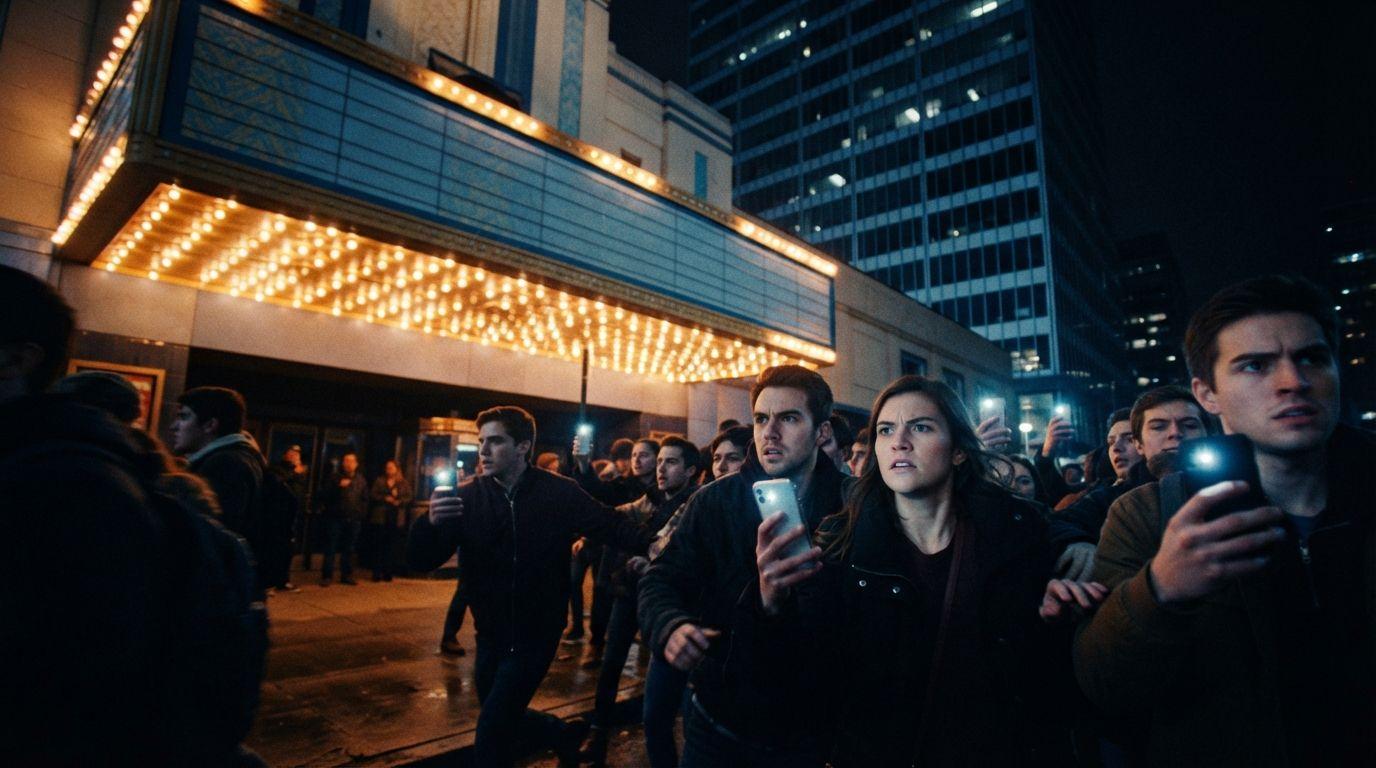
Not an IP deal, not a training deal, no obligation to put a generated frame on screen. The reaction happened anyway, and that's the part worth reading.
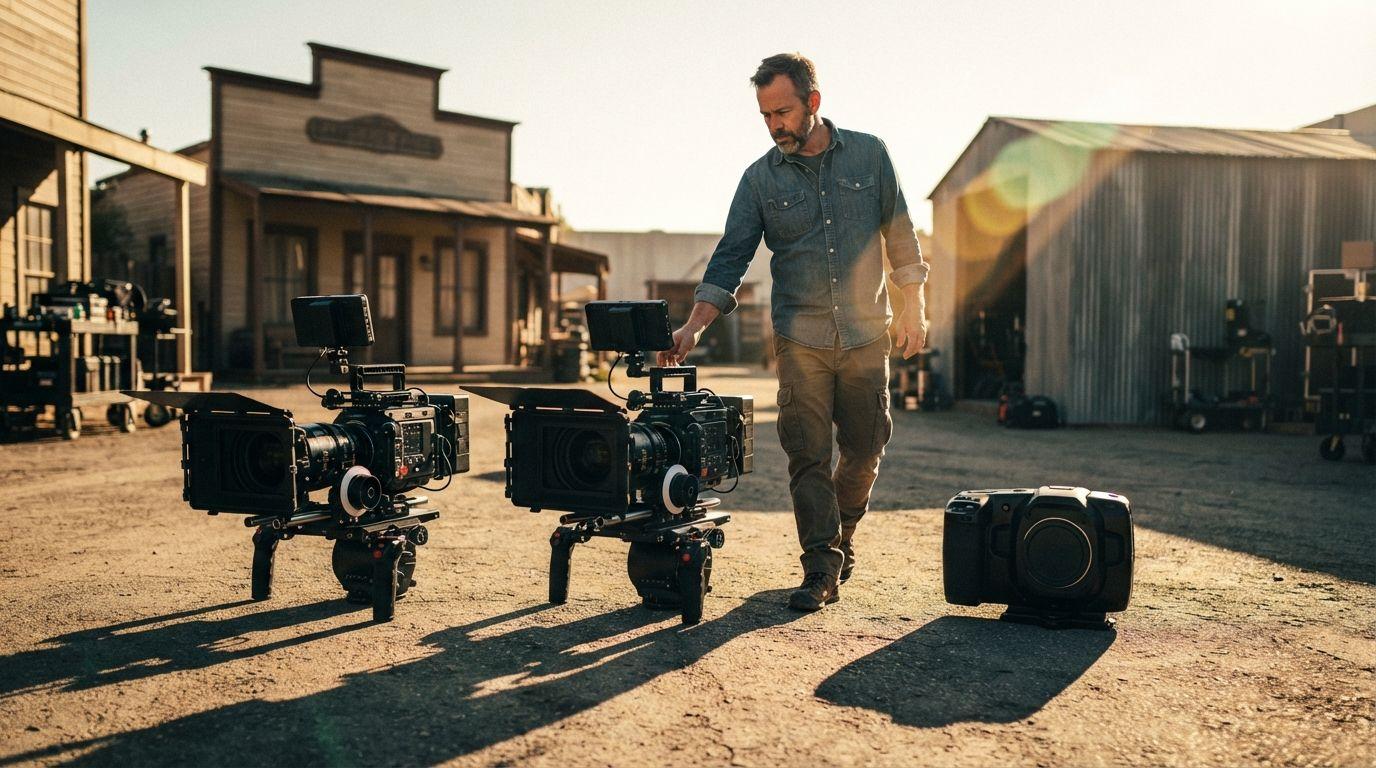
Fast gives up nothing. Lite gives up references entirely. The naming points the wrong way about which costs you more.
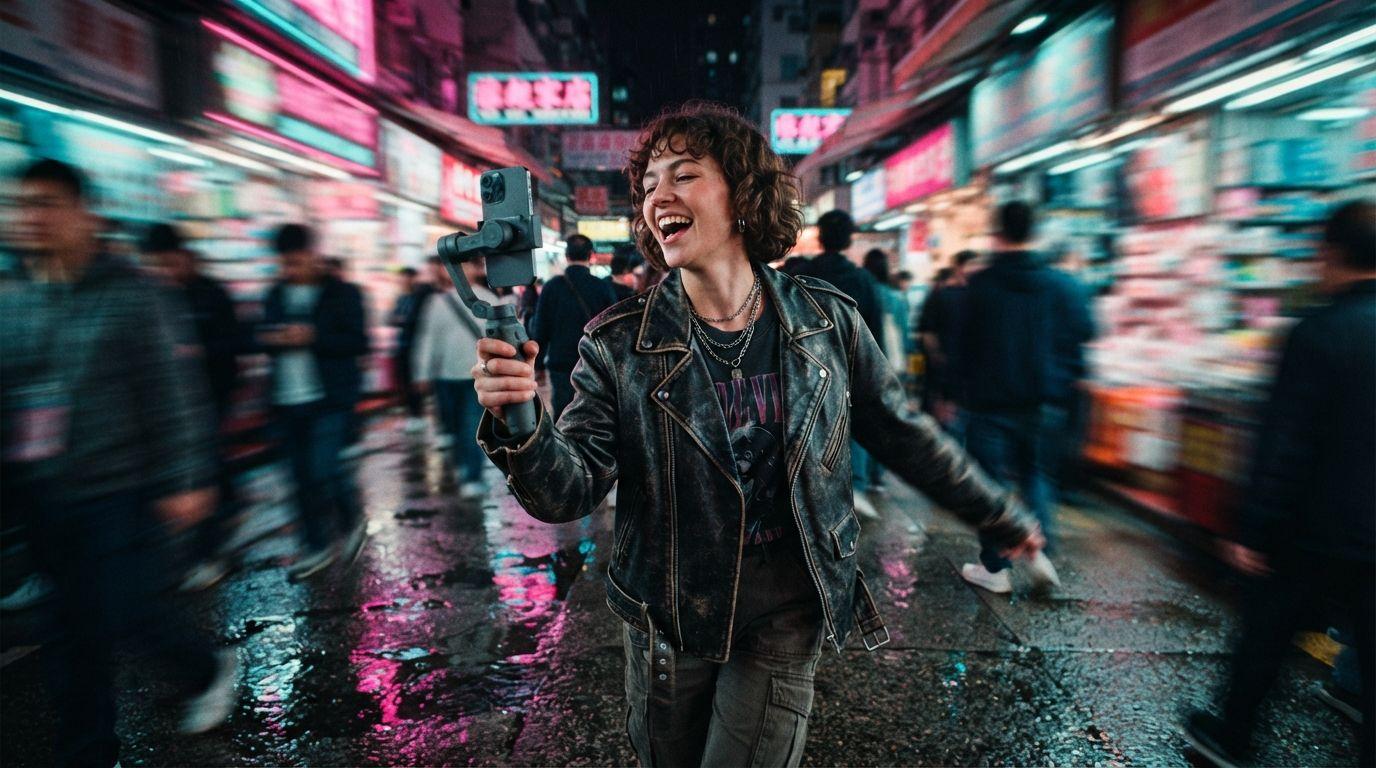
Seventeen of eighteen offer 9:16, and every one of them defaults to it. The interesting question is what else they give you.
Everything to learn about content creation, in your inbox.
A weekly digest of new posts. No spam, unsubscribe anytime.
We’ll only use this for the blog digest. Privacy policy