Learn to make it.
Model guides, prompt libraries and production workflows for creative teams making short drama, trailers and narrative video.
Klein halves the references. Max and Pro are identical on every setting the picker shows, which leaves the descriptions doing all the work.
Six decisions. Three of them can't be changed later at all, and one of those surprises almost everyone.
Four models, and the flagship isn't the most capable on every axis. One of the cheaper two does 4K and it doesn't.
These aren't two versions of the same model. One composes from references; the other restyles footage and won't take an image at all.
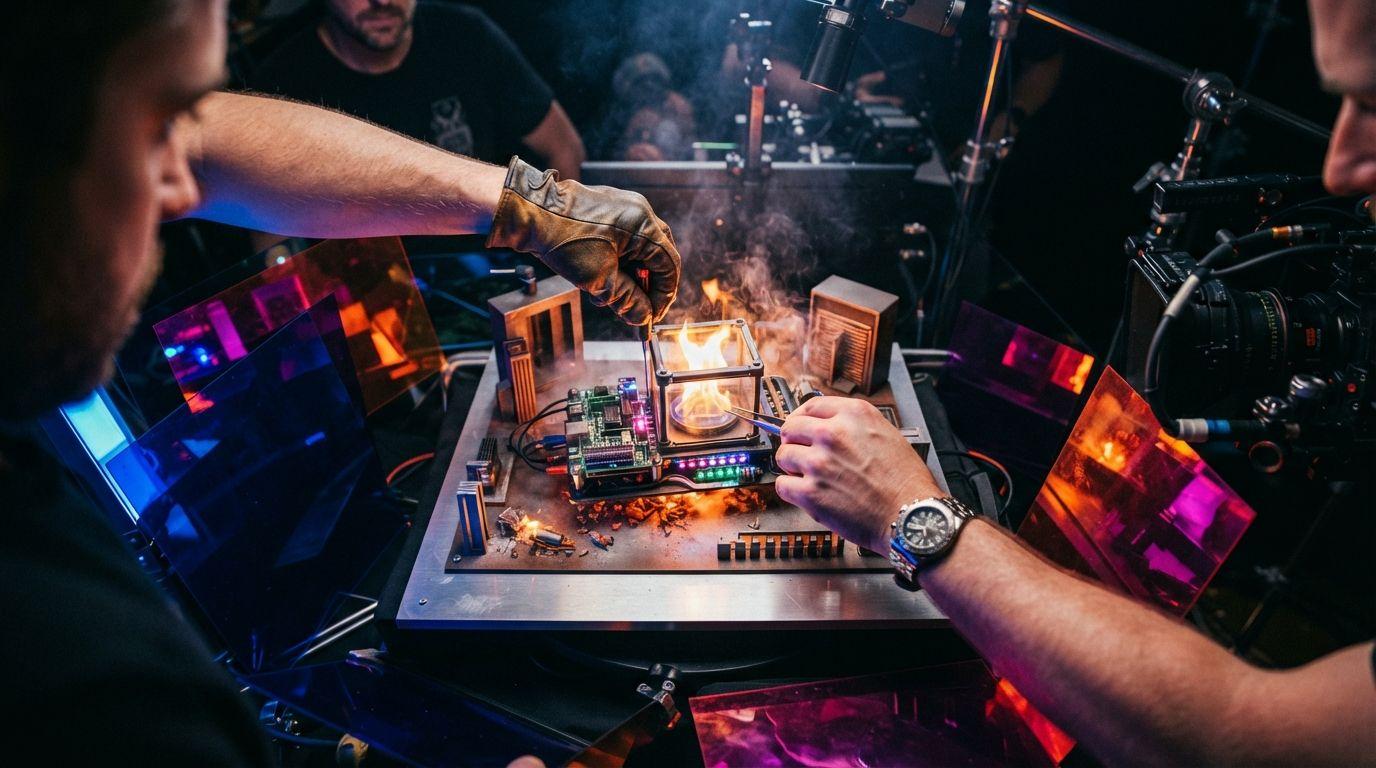
No prompt field, vertical only, three steps. The constraints are the product, and they tell you exactly what it's for.
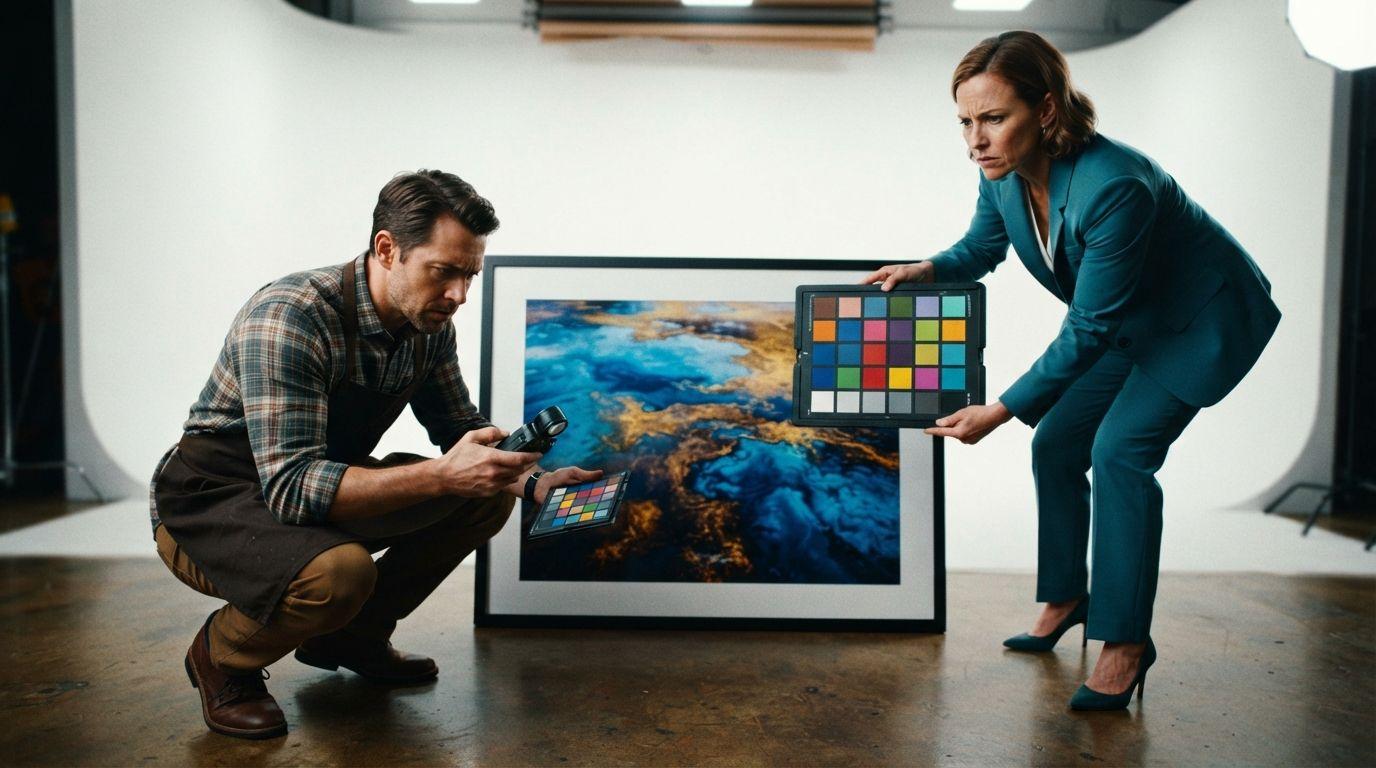
The newer Pro model caps at 2K. The older one does 4K and generates fifteen at once. Three settings differ and none runs the way the version numbers suggest.
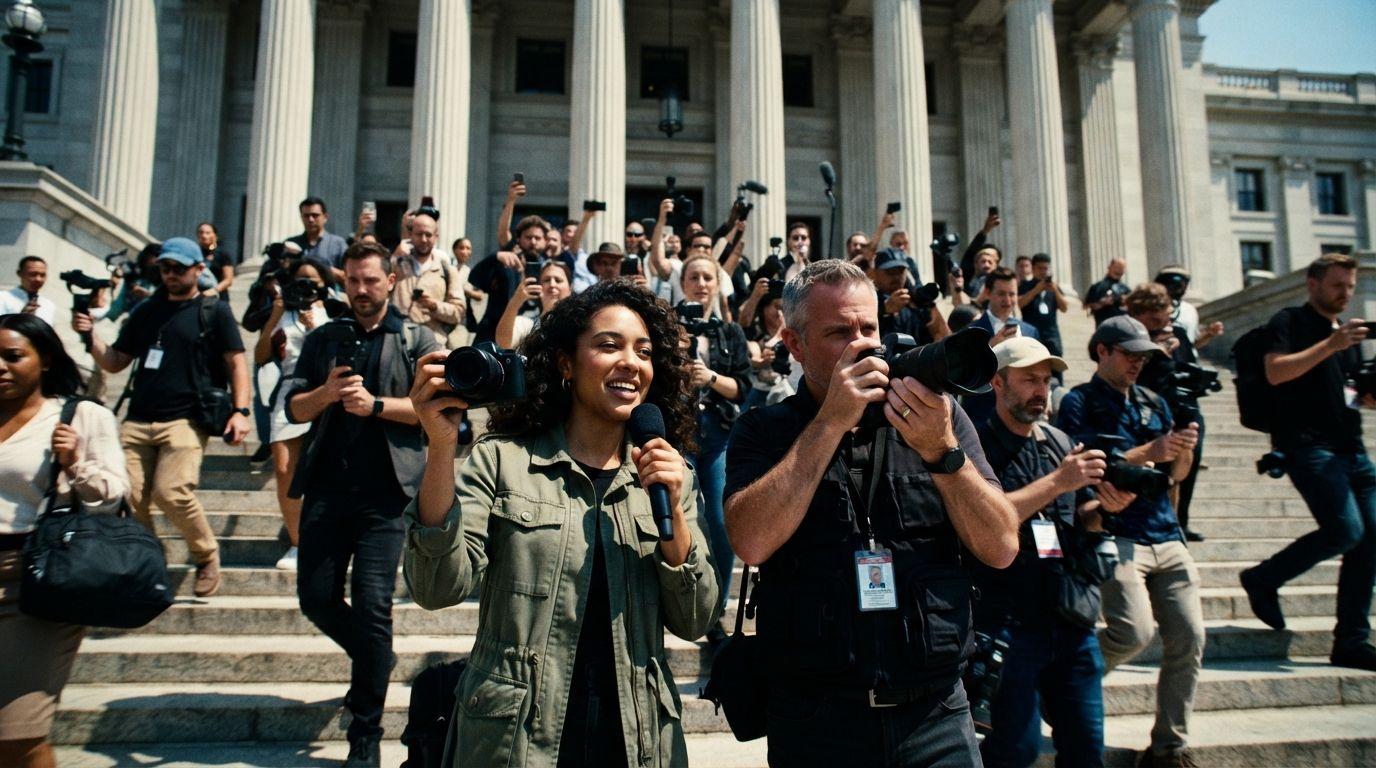
It's a bill, not a law. But the mechanisms it would introduce are worth understanding before they arrive rather than after.
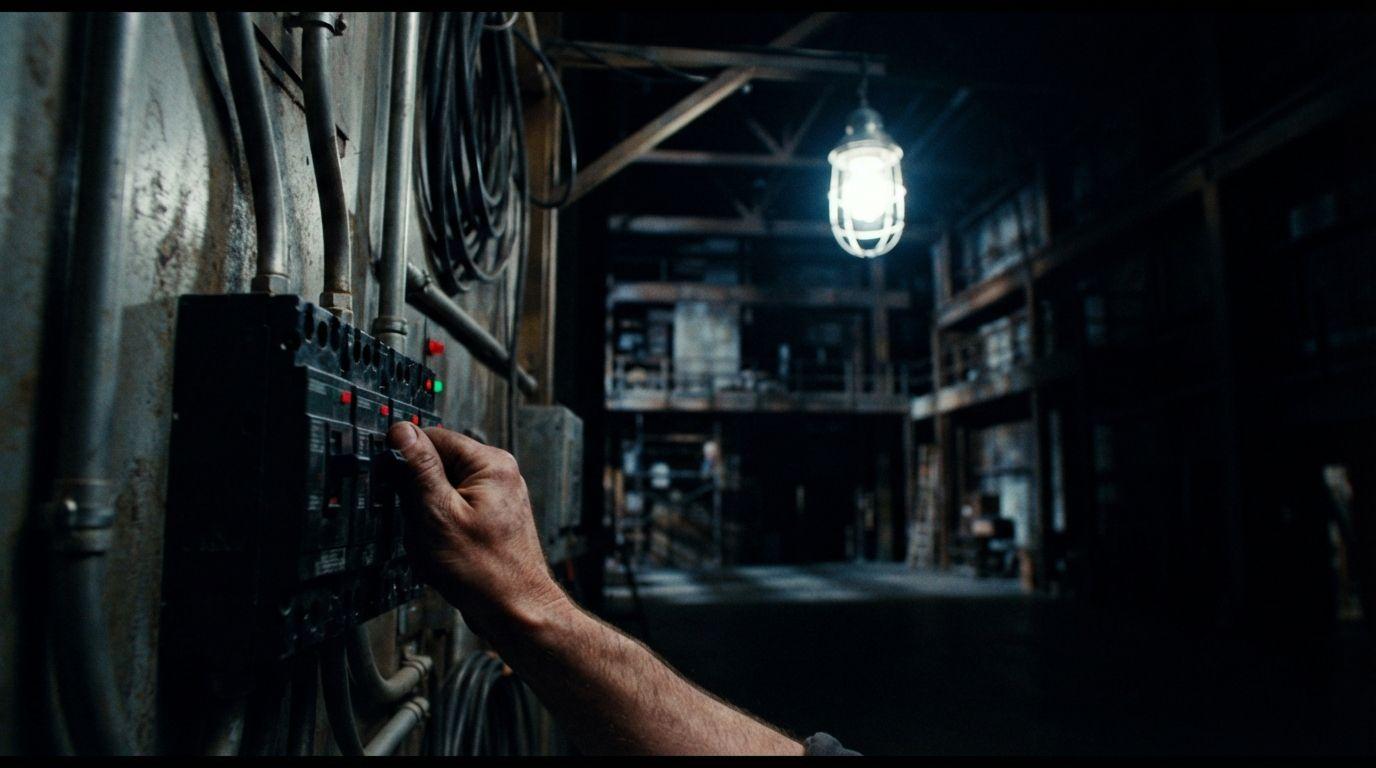
Sora went from default to shut down inside a year. The lesson generalises, and it's mostly about what you export rather than what you switch to.
Edit mode conditions on footage you already have, so framing, light and identity carry forward. What it can't do is target an area.
Every rule that matters turns on one question: is this face readily identifiable as a real person's?
Owning your output and holding copyright in it are two different things, and your platform can only give you the first.
The category numbers are solid and widely misquoted. The production numbers barely exist. Knowing which is which is the whole skill.
Everything to learn about content creation, in your inbox.
A weekly digest of new posts. No spam, unsubscribe anytime.
We’ll only use this for the blog digest. Privacy policy