Learn to make it.
Model guides, prompt libraries and production workflows for creative teams making short drama, trailers and narrative video.
Four of eighteen models offer 4K. The flagship isn't one of them, and your plan may not permit it anyway.
Five layers, and anything you leave blank gets filled rather than skipped. Knowing which is which is the whole skill.
Eighteen models, and the vendor name tells you less about which to pick than four settings do.
Same references, same aspect ratios, three different resolution ranges. And the one without "Pro" in the name has the most options.
Twelve models interpolate between two anchors. Five take a start frame only, and one has no frames section at all.
Voice-only clips, composites, public figures and the deceased all sit near the line, and not all of them fall on the side you'd expect.
The library is shared and the handle carries. What doesn't carry is the framing, and that's decided in the first generation.
Two disclosures, two different reasons, and neither satisfies the other. One is federal law applied; the other is one state's statute.
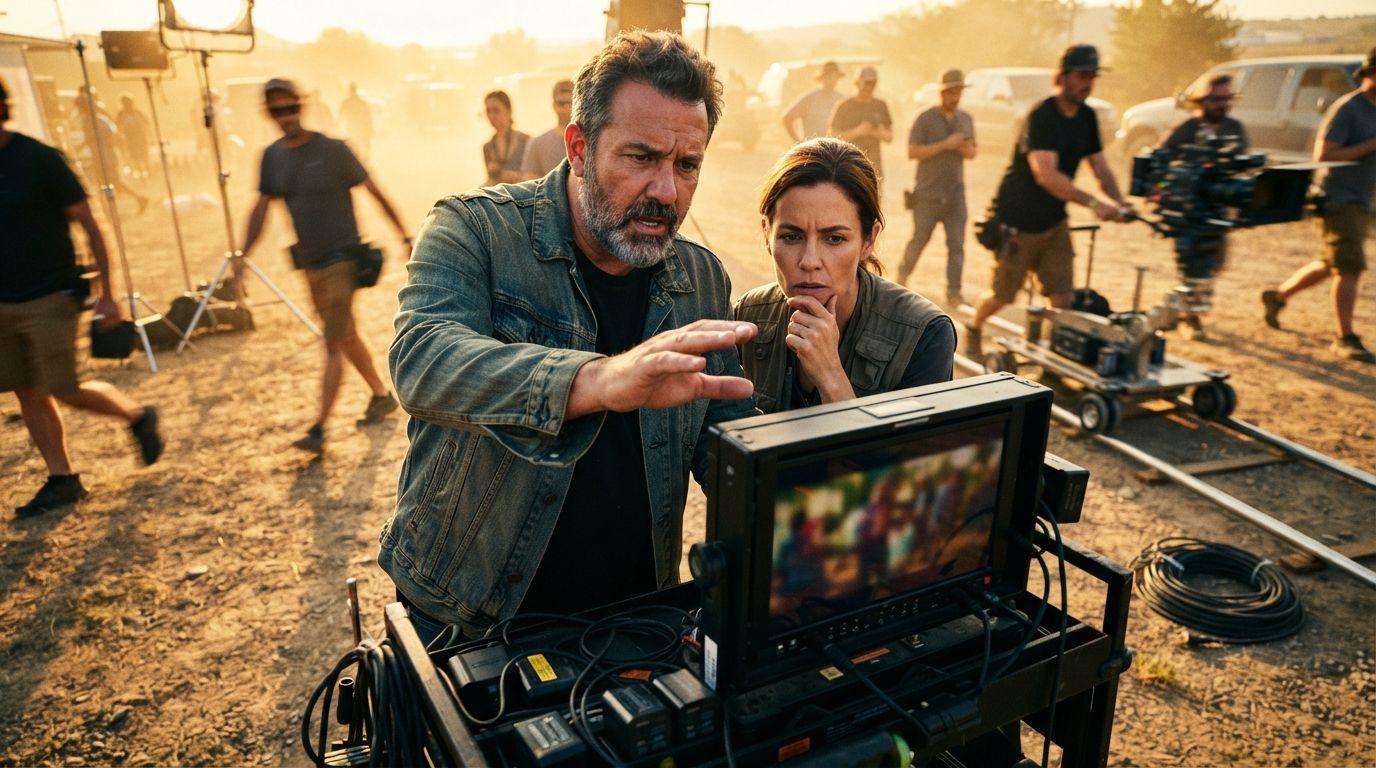
Same duration, same resolutions, same aspect ratios. Two settings differ, and both of them decide the workflow.
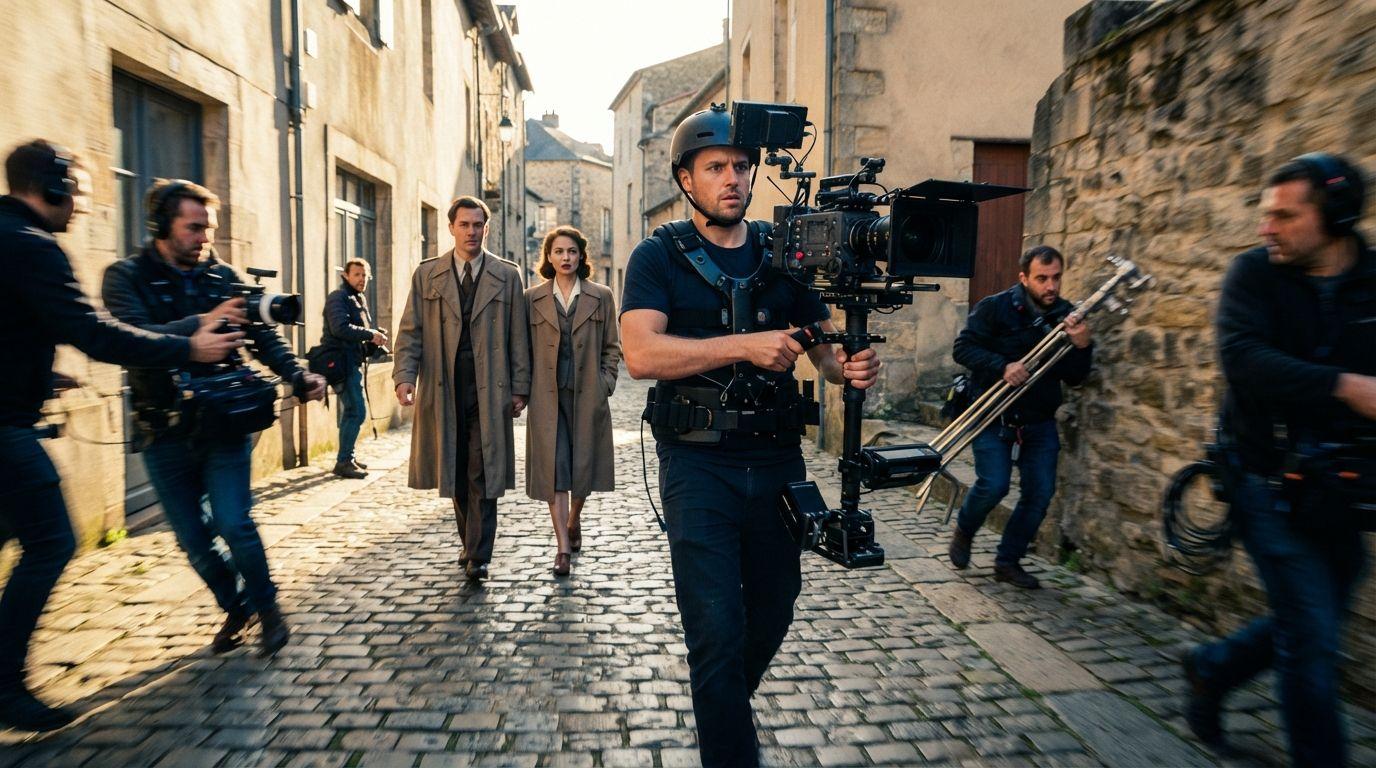
A long continuous take removes every continuity problem at once, and introduces one that's harder to fix.
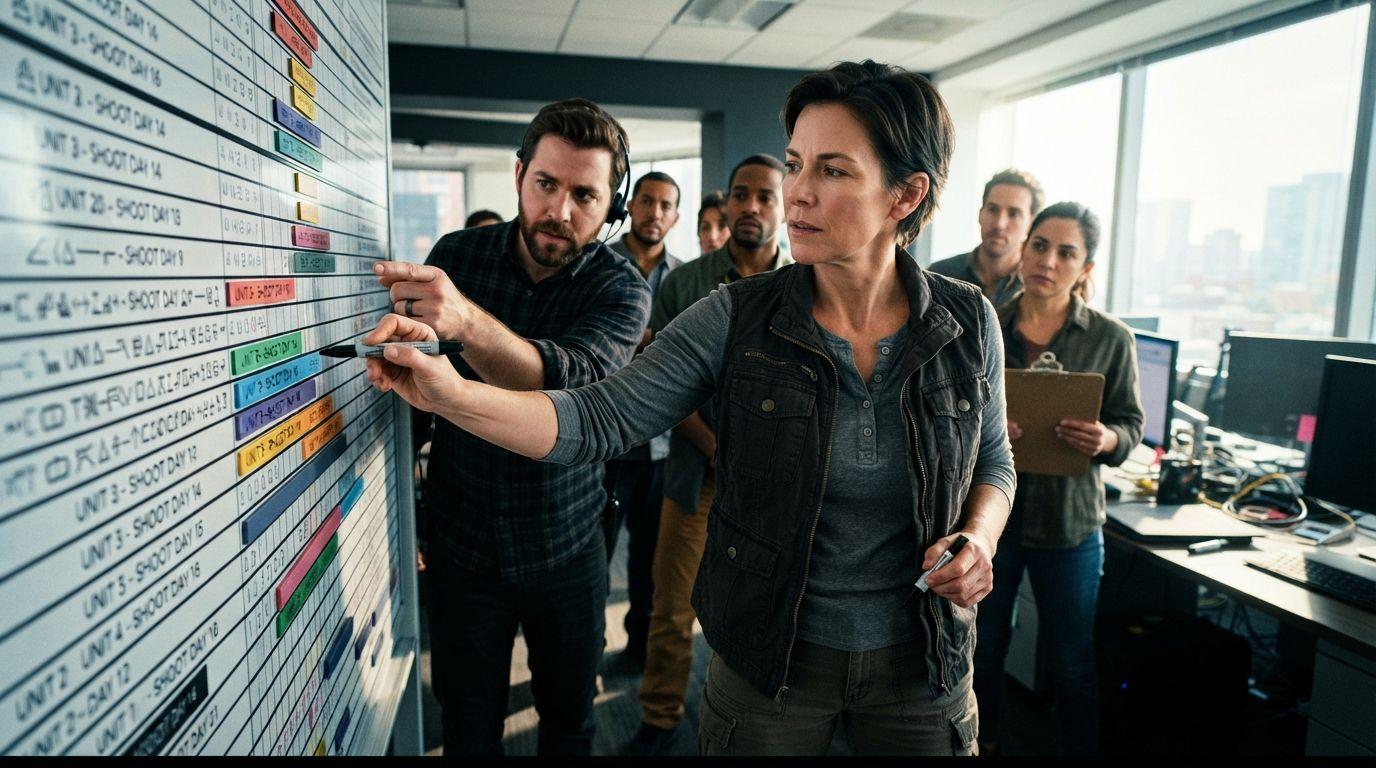
One balance across four tools removes the decision most platforms force on you, and introduces a different one you have to make monthly.
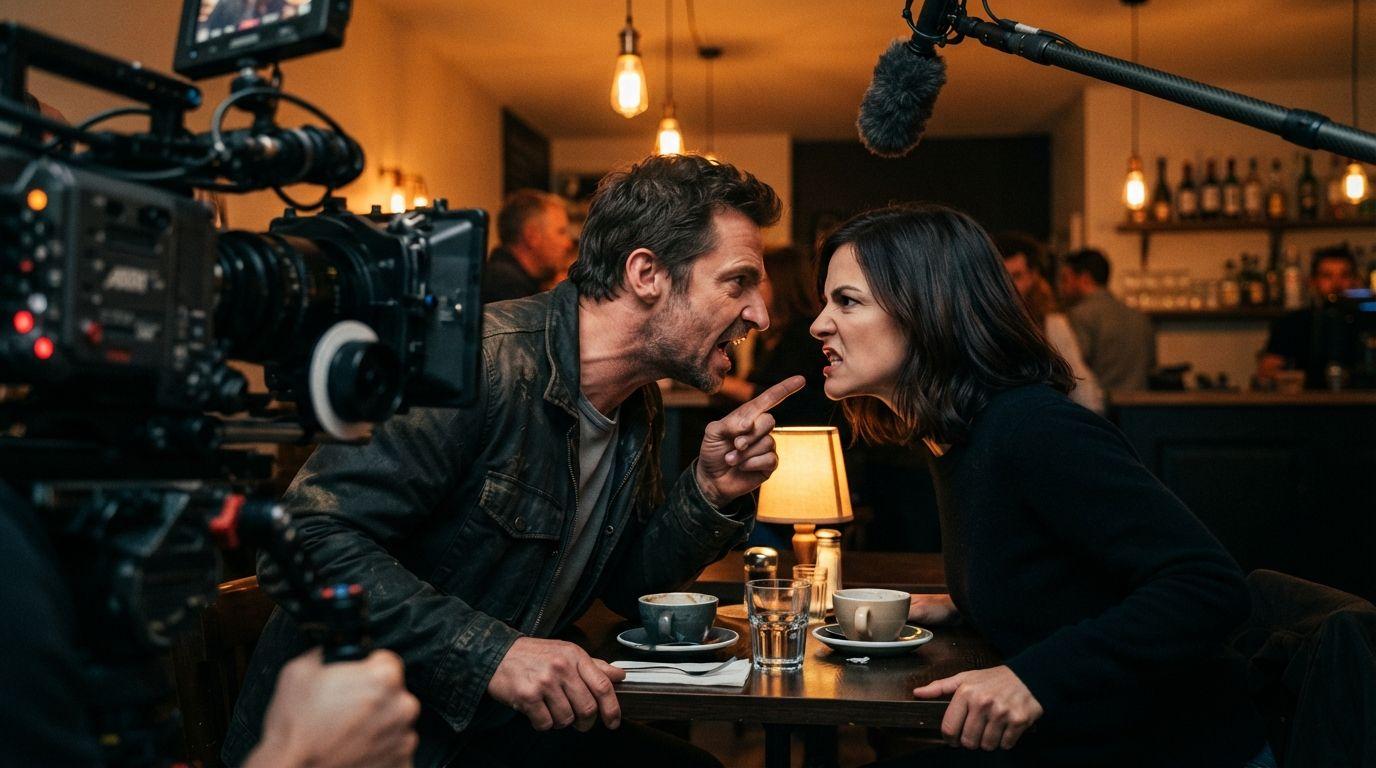
Three models, three different answers, and the deciding factor is usually duration rather than anything about faces.
Everything to learn about content creation, in your inbox.
A weekly digest of new posts. No spam, unsubscribe anytime.
We’ll only use this for the blog digest. Privacy policy