Learn to make it.
Model guides, prompt libraries and production workflows for creative teams making short drama, trailers and narrative video.
The difference between a face someone uploaded and a face someone proved was theirs is one check, and it happens before publication rather than after a complaint.
Extension continues a shot rather than generating a new one. Where the join succeeds, and what makes it visible.
Two routes, and the difference between them isn't quality. One asks nothing of you; the other asks you to attest to three things before it will proceed.

Your shots look good individually and wrong together. That's a coverage problem, and film has solved it for a century.

If the face belongs to a real person, yes — and the clause most likely to catch you out isn't the one about advertising.
A signed release you can't find isn't a rights position. What a reviewer actually asks for, and what a good platform already holds for you.
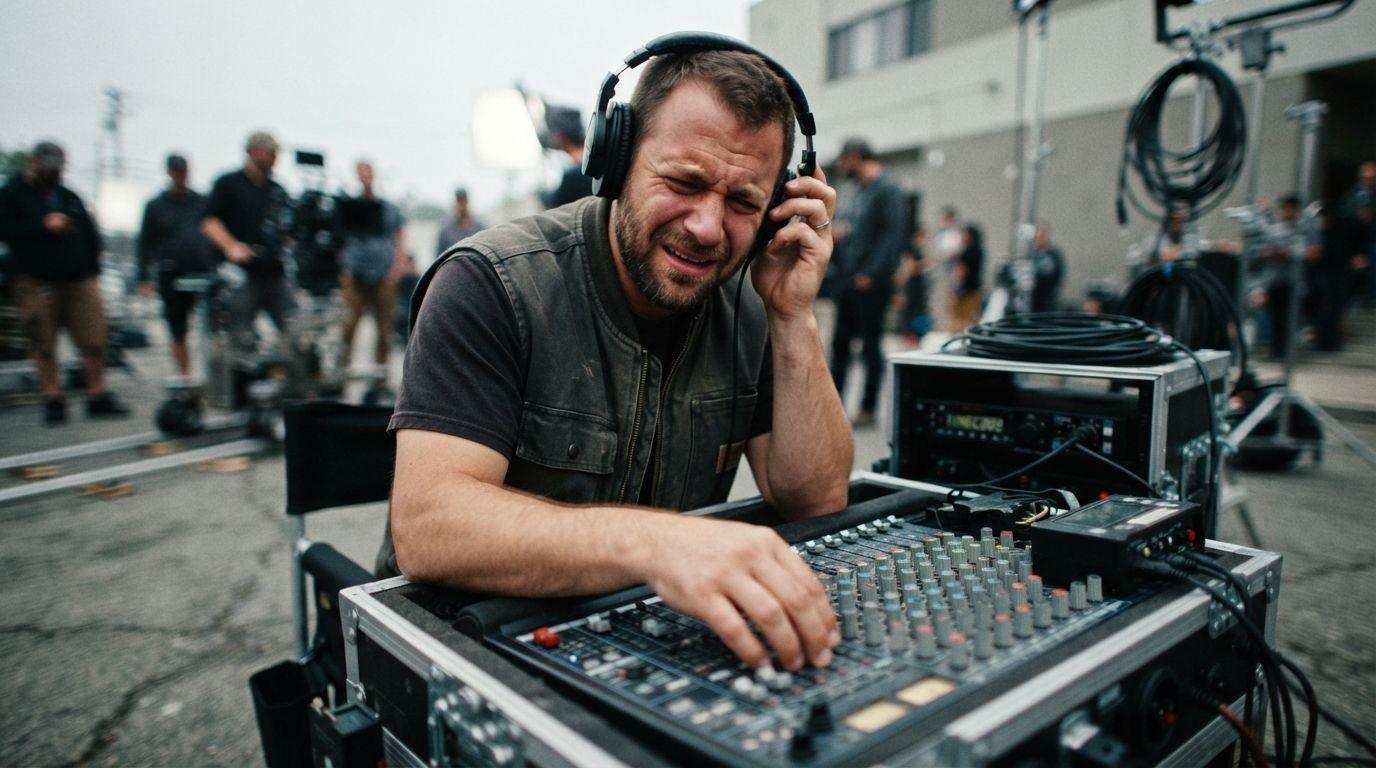
Generating sound with the picture removes a match problem and takes away a casting decision. Both matter more than the feature list suggests.
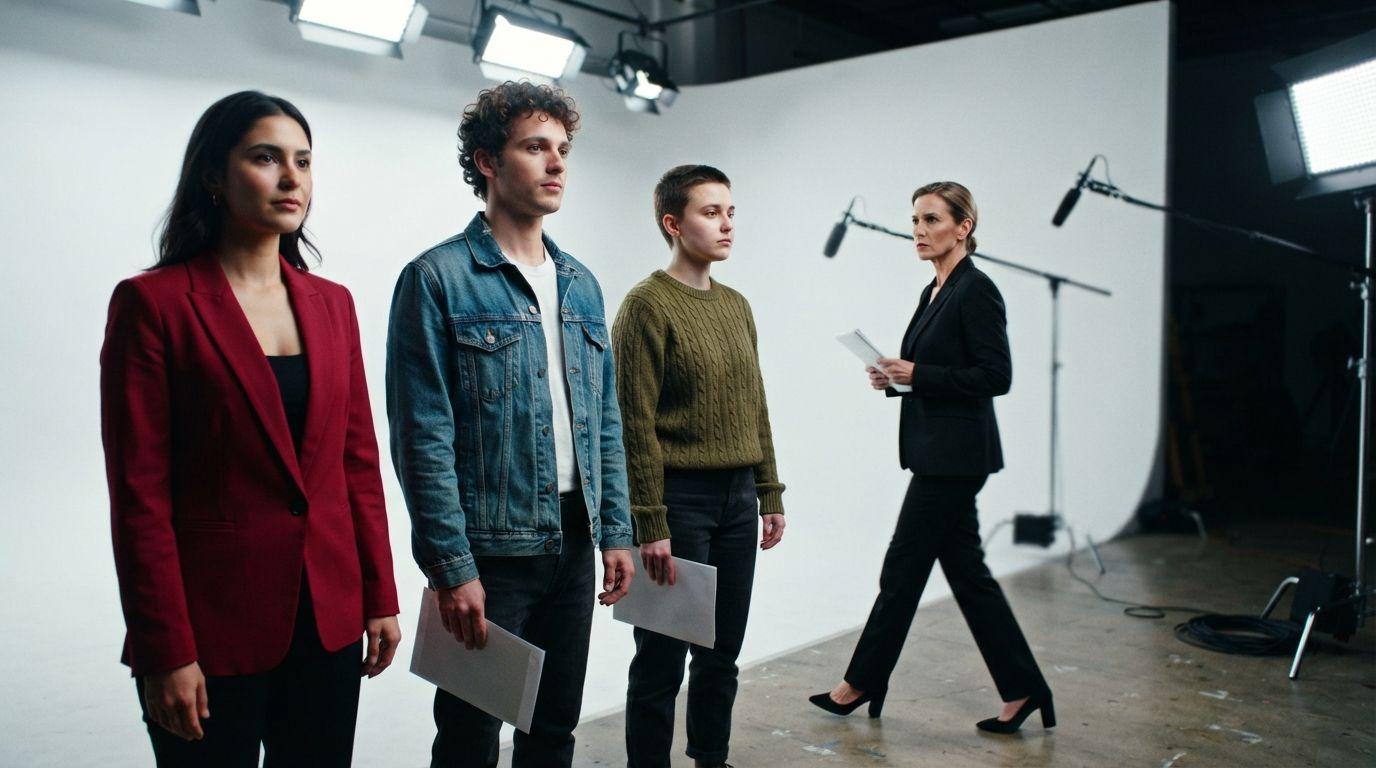
Three sources, two ways to create an actor, and one mechanism that stops the face drifting. The tier decides your rights position; the handle decides your continuity.
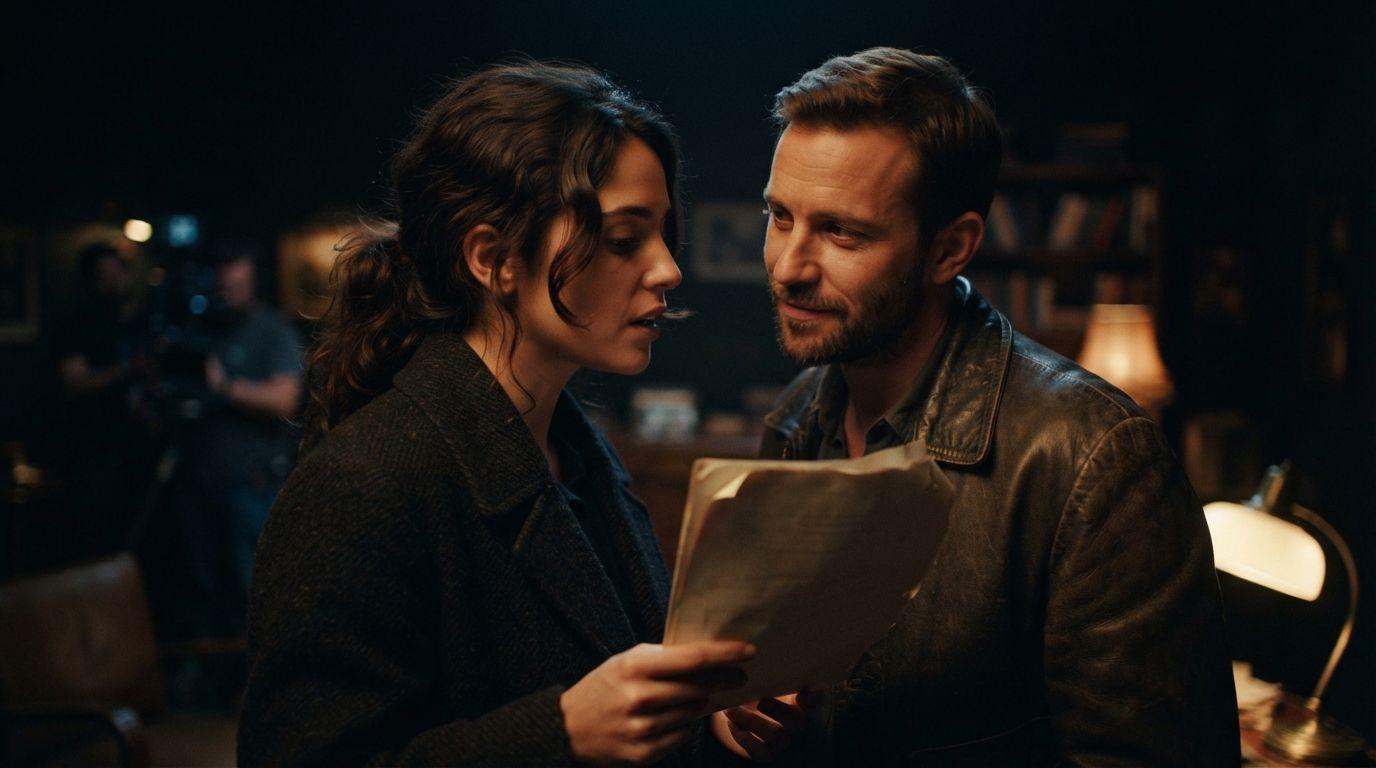
The twelve-word rule has three separate reasons behind it, and knowing which one you're breaking tells you whether it matters.

Five questions that tell you what you actually get, and where the scope quietly stops.
Three platforms, one EU regulation and the FTC all want something different, and your generation tool probably provides none of it.
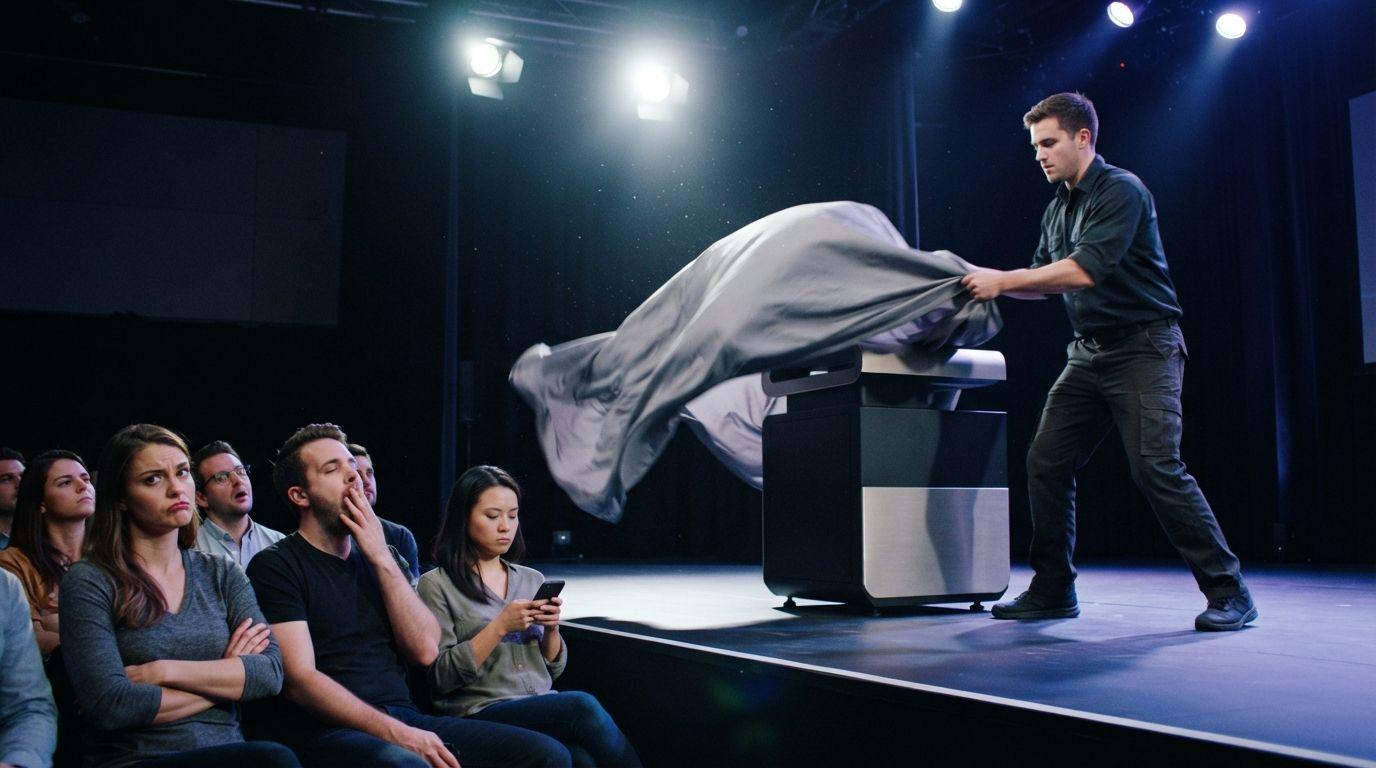
We built a model comparison from vendor documentation and got two of four rows backwards. Here's how that happens, and where to look instead.
Everything to learn about content creation, in your inbox.
A weekly digest of new posts. No spam, unsubscribe anytime.
We’ll only use this for the blog digest. Privacy policy