Elements
The reusable pieces you lock once and carry across shots — characters, locations, props, styles, and the actors who appear in them.
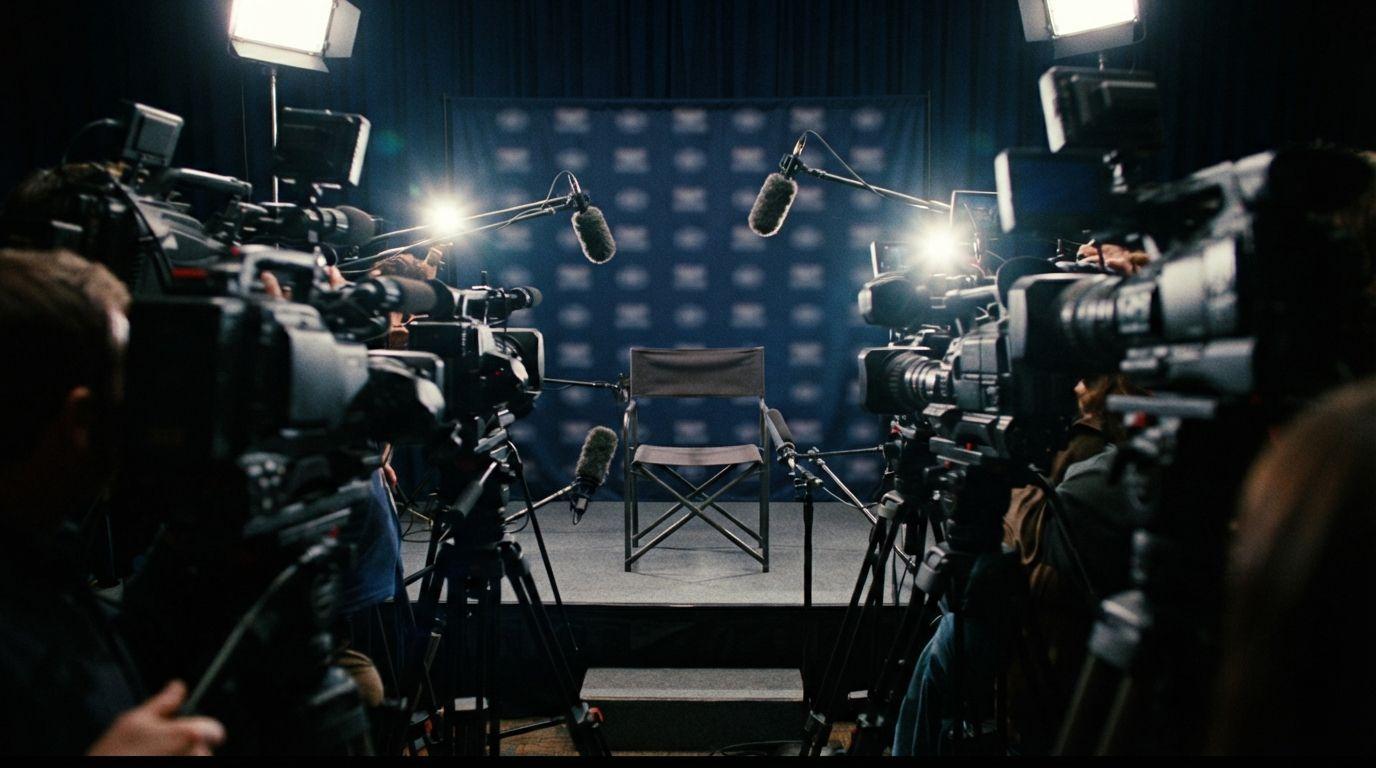
Tilly Norwood sat for interviews on network television and was asked whether AI actors should be Oscar-eligible. The question nobody asked is the interesting one.
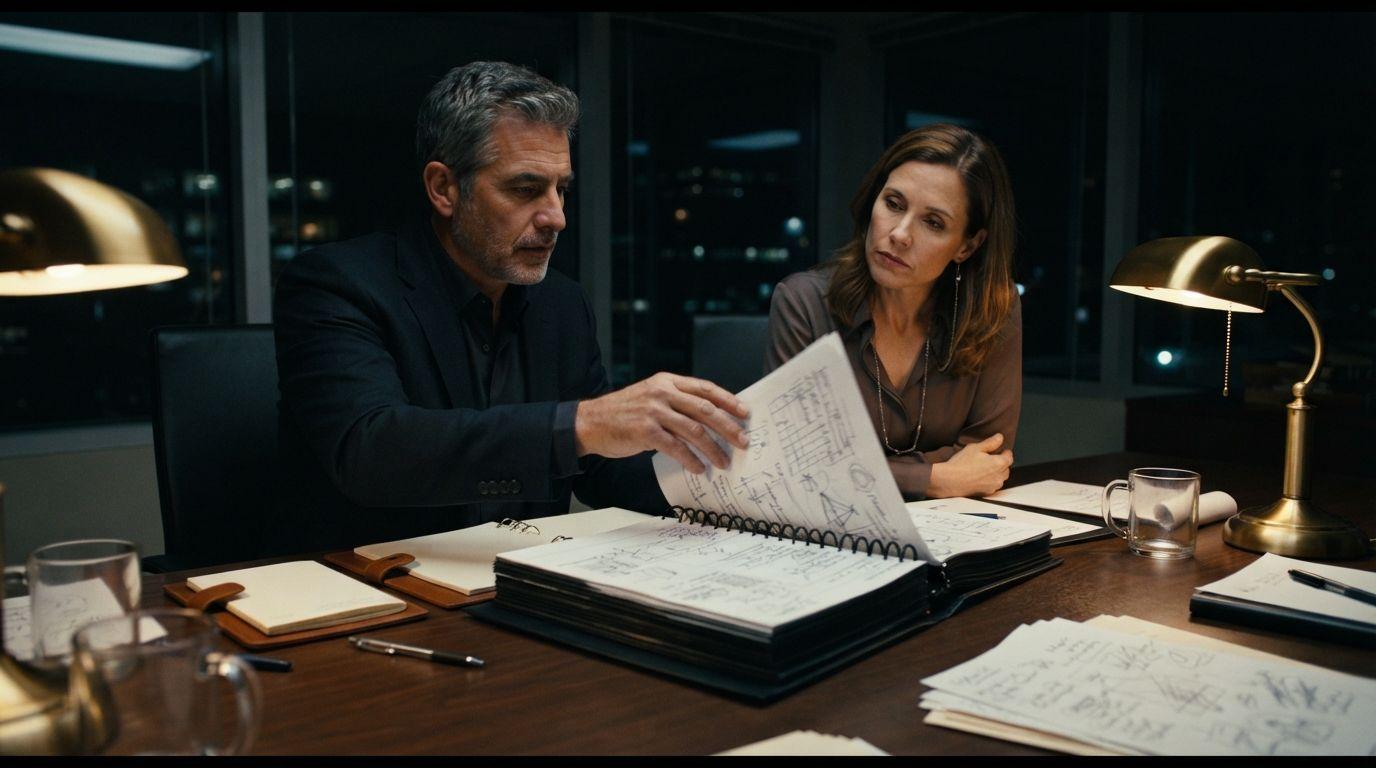
A series bible is usually a creative document. Add four sections and it answers the questions a rights reviewer asks first.
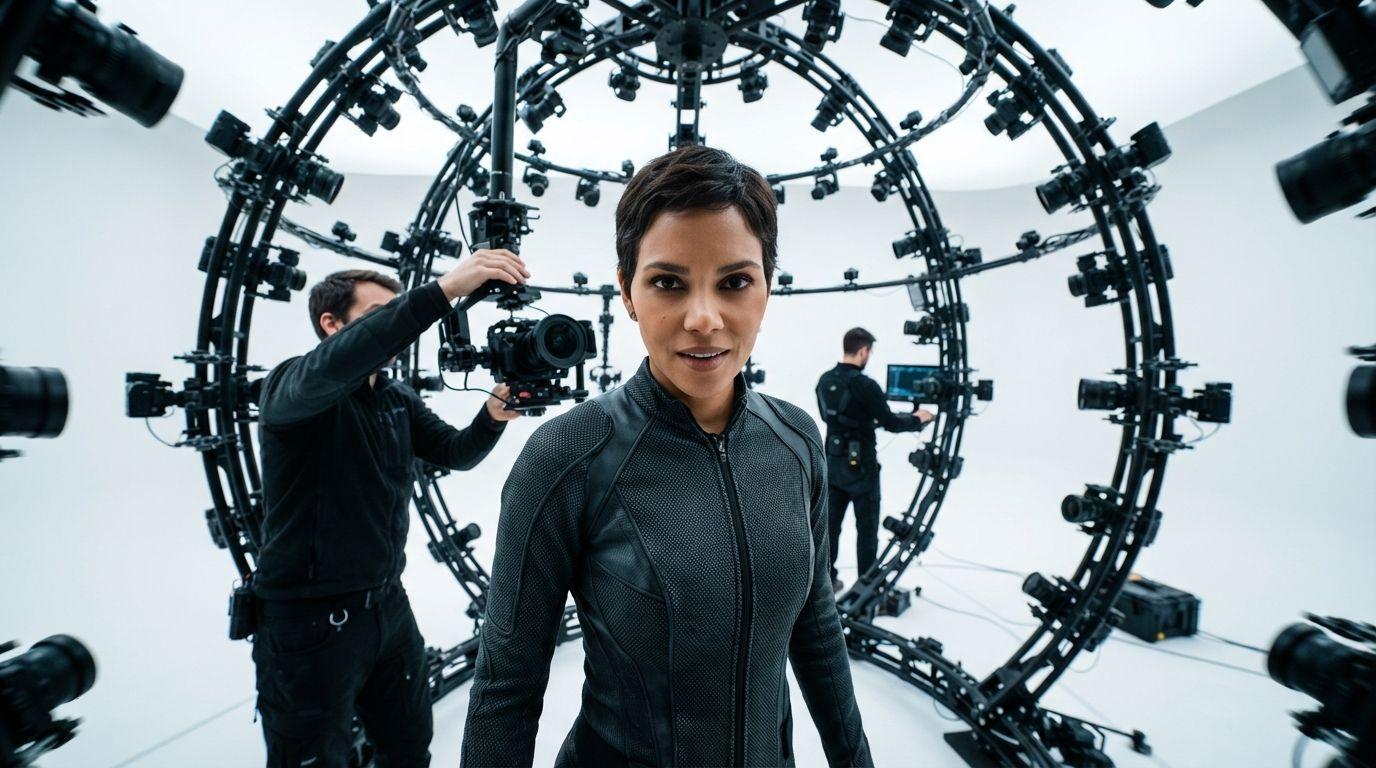
Voice-only clips, composites, public figures and the deceased all sit near the line, and not all of them fall on the side you'd expect.
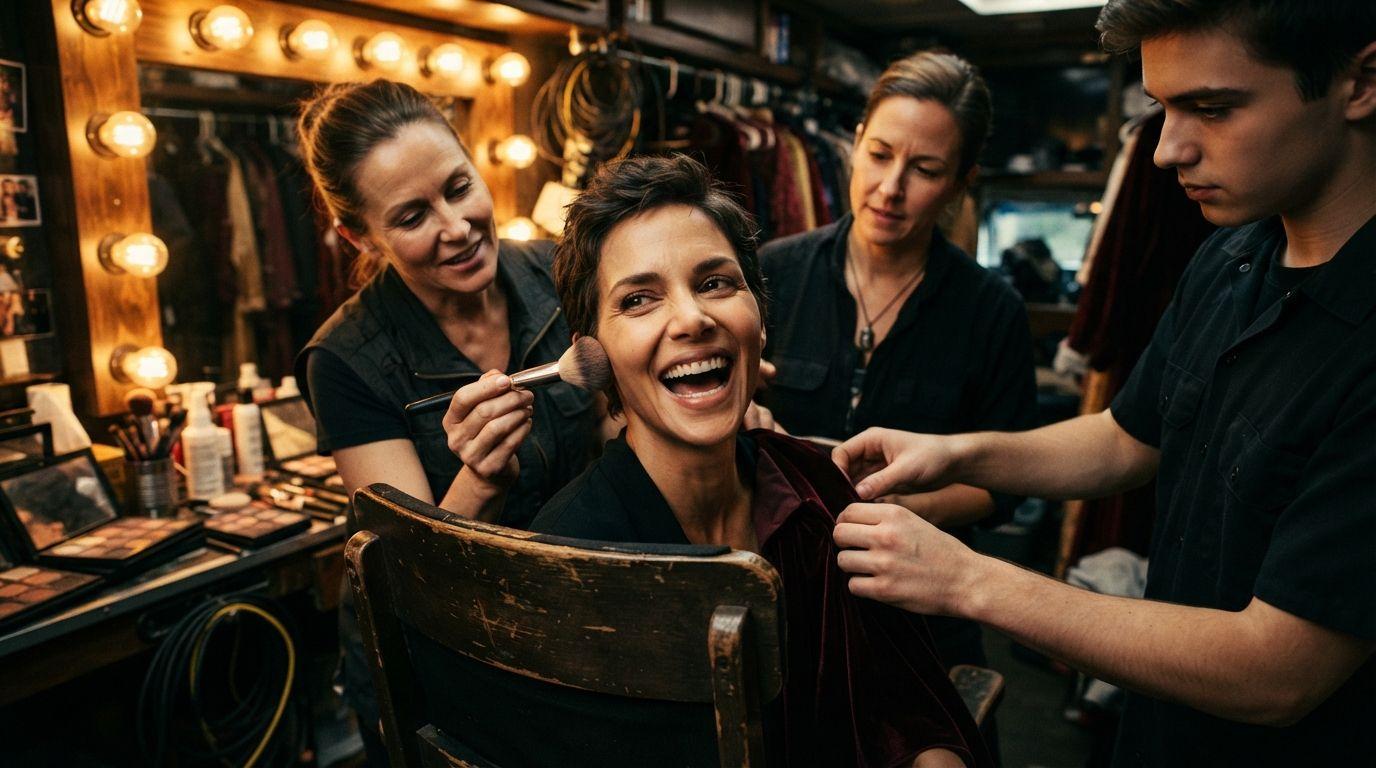
Four things change, and only one of them is the paperwork. The other three change how you plan a series.
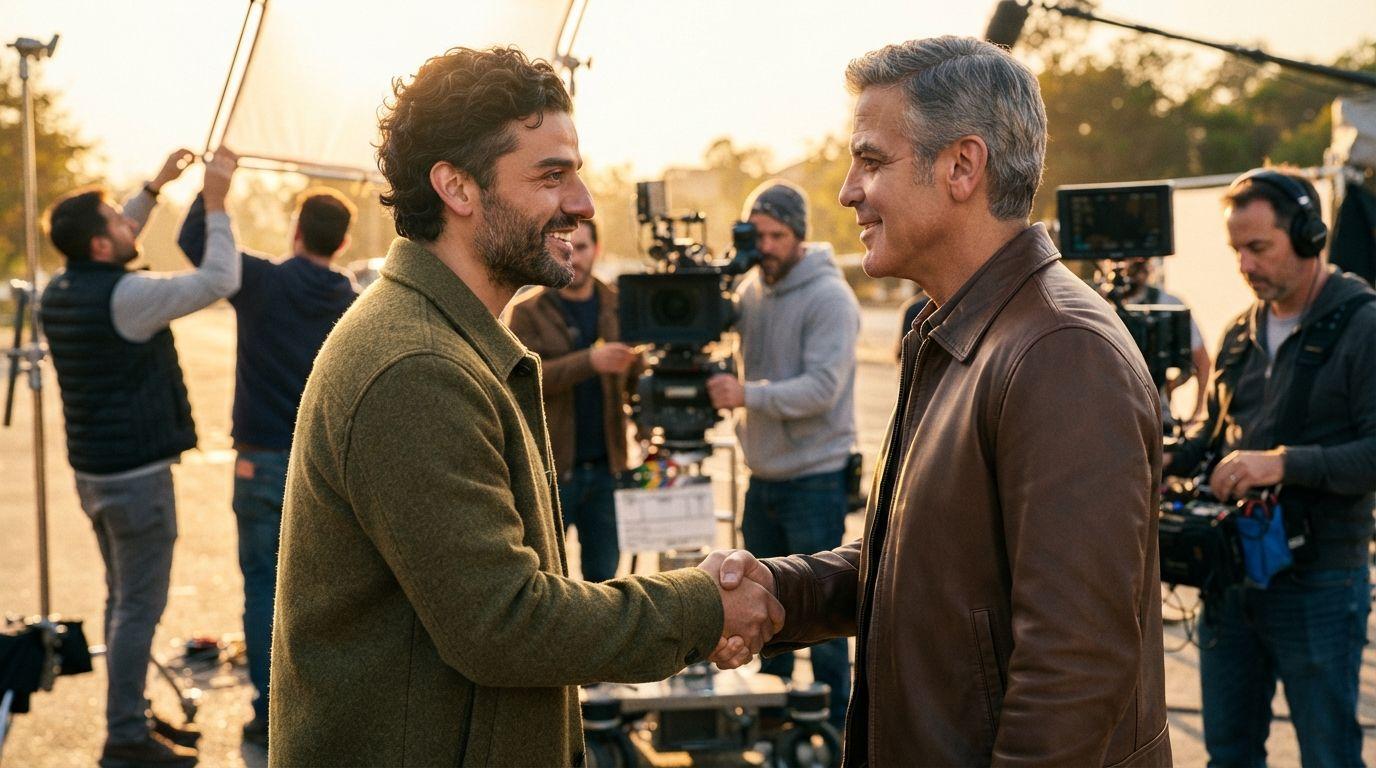
Performers earn per render, not per project. That single structural choice changes what a re-roll costs and what a series costs.

One is free of likeness obligations and free of a plan requirement. The other survives a legal review. Which you need depends on who approves the work.
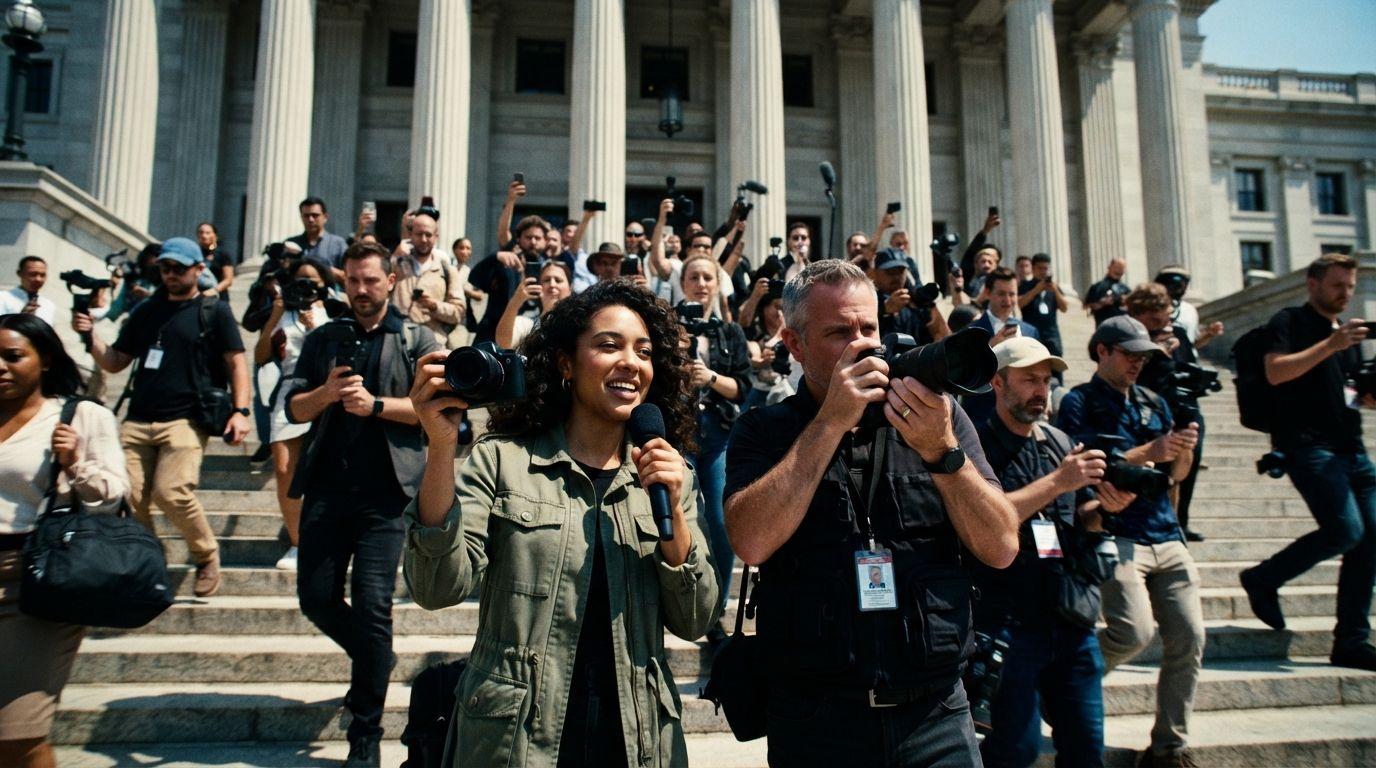
It's a bill, not a law. But the mechanisms it would introduce are worth understanding before they arrive rather than after.
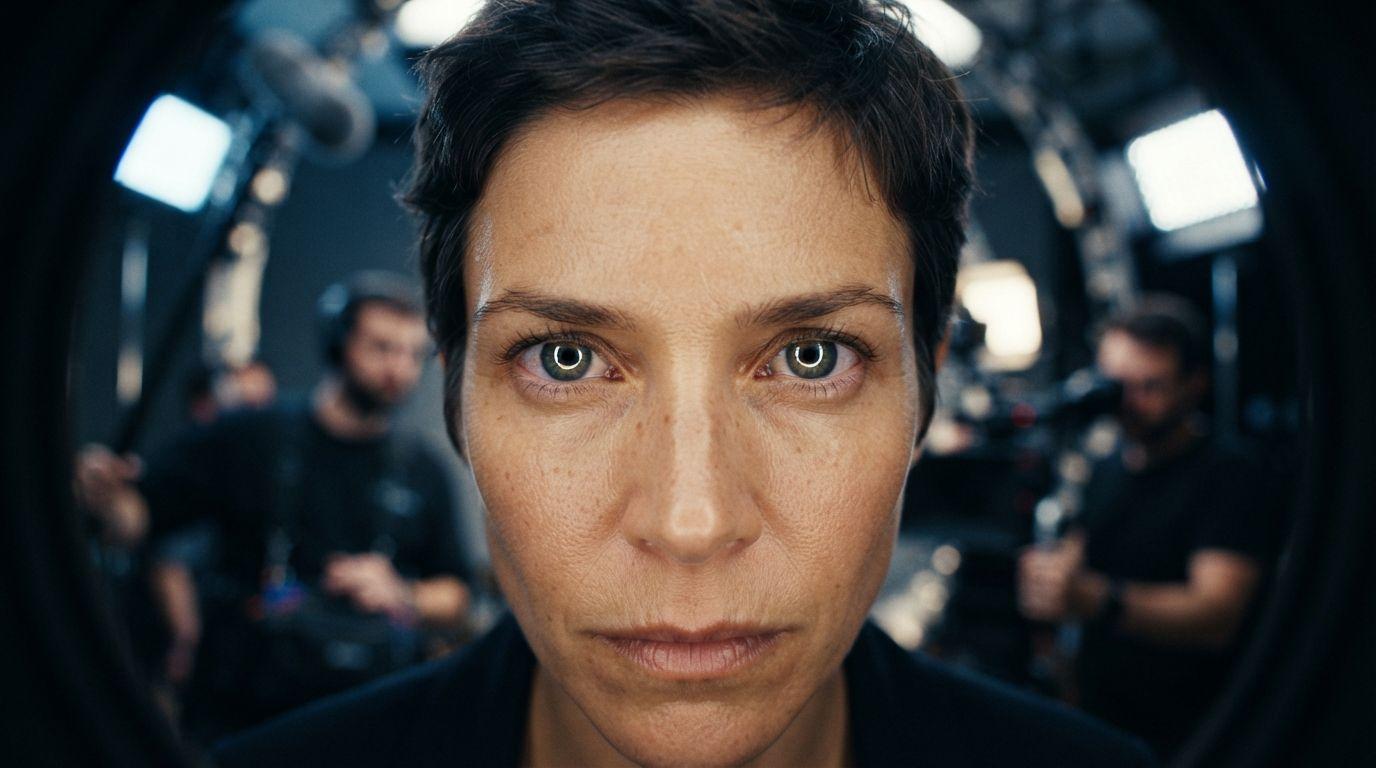
Every rule that matters turns on one question: is this face readily identifiable as a real person's?
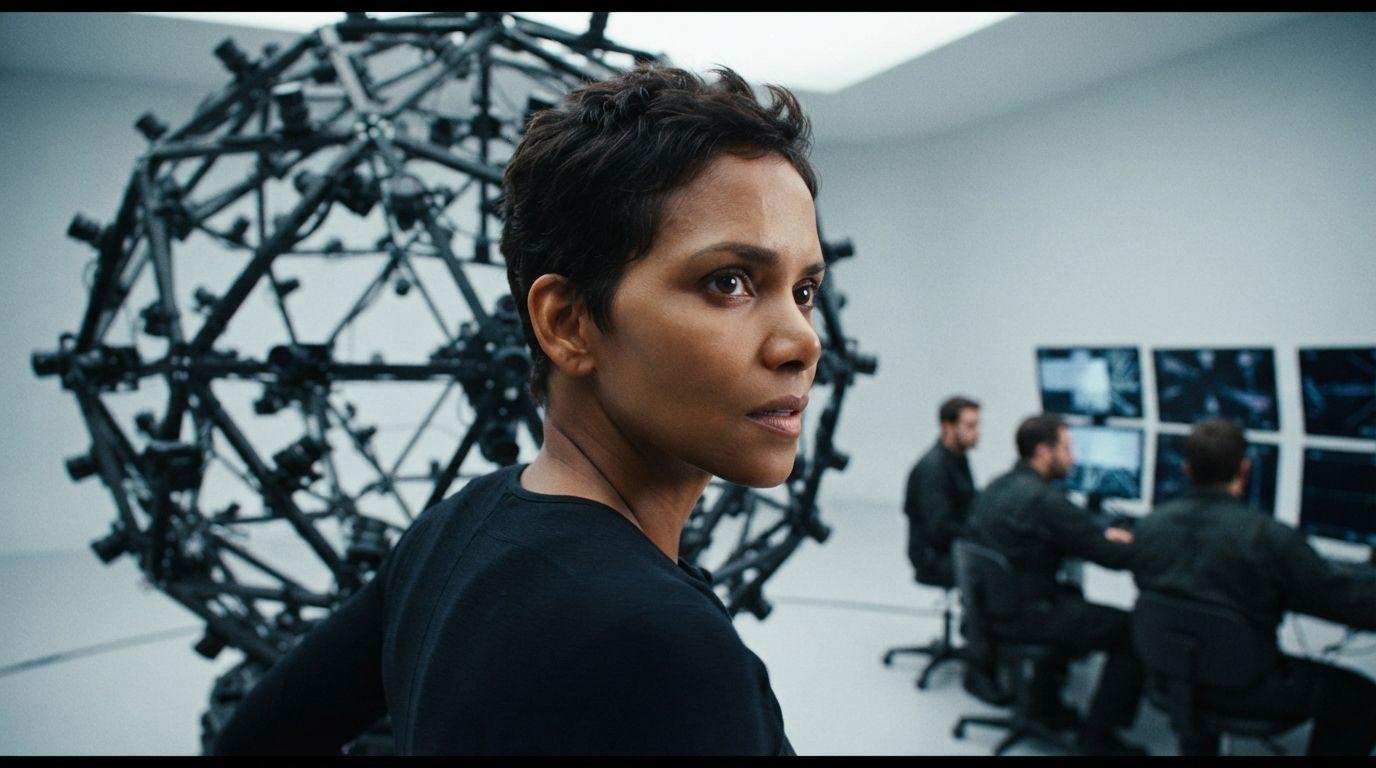
The difference between a face someone uploaded and a face someone proved was theirs is one check, and it happens before publication rather than after a complaint.

Two routes, and the difference between them isn't quality. One asks nothing of you; the other asks you to attest to three things before it will proceed.

If the face belongs to a real person, yes — and the clause most likely to catch you out isn't the one about advertising.
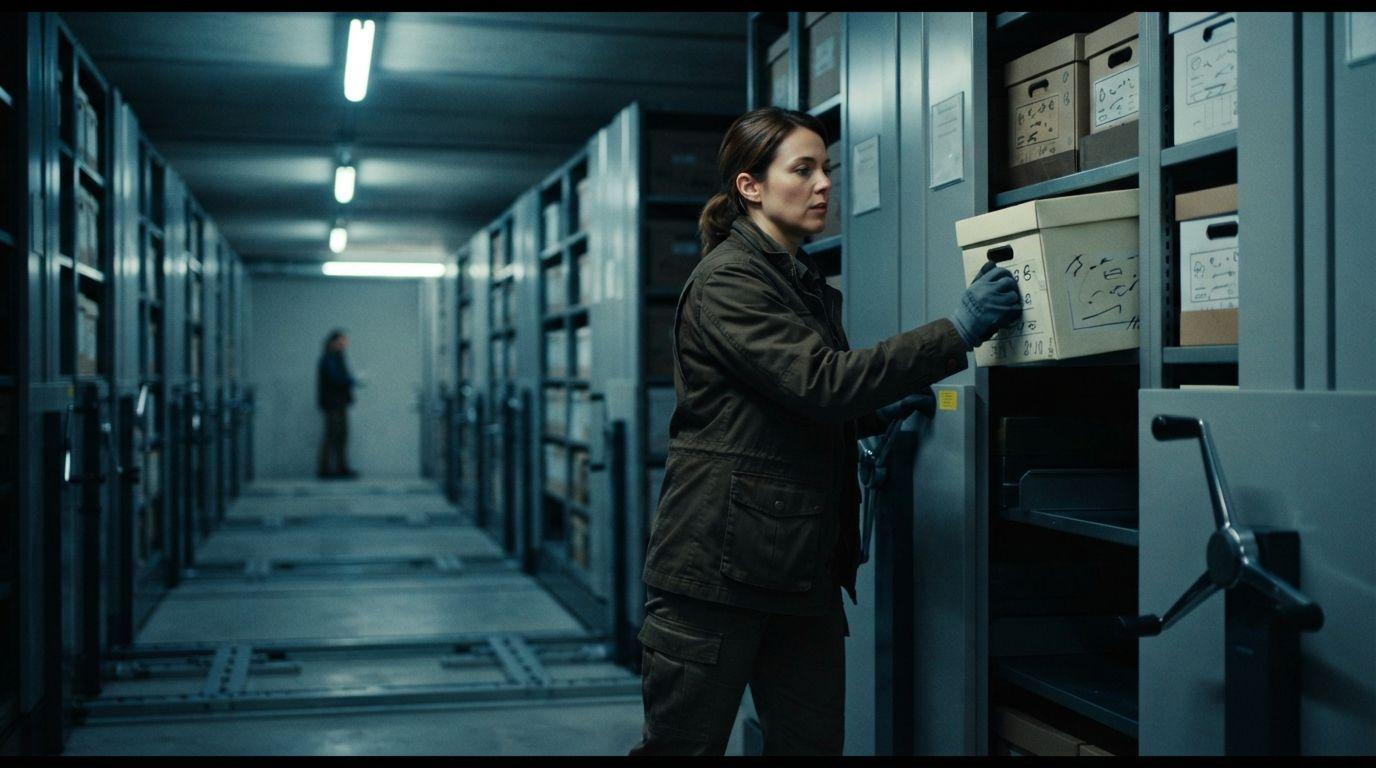
A signed release you can't find isn't a rights position. What a reviewer actually asks for, and what a good platform already holds for you.
Everything to learn about content creation, in your inbox.
A weekly digest of new posts. No spam, unsubscribe anytime.
We’ll only use this for the blog digest. Privacy policy